

Nidaros, Archbishopric of ¼ Penning - Jon Raude
Description:
¼ Penning ¼ Penning - Jon Raude coin from Nidaros, Archbishopric of. Design, history & value.
Introduction
The ¼ Penning coin from the Nidaros Archbishopric, minted between 1277 and 1281, is a fascinating artifact from medieval Norway. This small silver coin, weighing just 0.28 grams, offers a glimpse into the rich tapestry of the region's history and ecclesiastical influence. As a piece of currency that transcends its monetary value, the ¼ Penning is a coveted item for collectors and historians alike. Its intricate design and historical significance make it a unique treasure in the world of numismatics.
Historical Background
The issuance of the ¼ Penning coincides with the tenure of Archbishop Jon Raude, a pivotal figure in Norwegian history. The Nidaros Archbishopric, centered in what is now Trondheim, was a major ecclesiastical and political power in medieval Norway. Archbishop Jon Raude, known for his staunch defense of church rights against royal encroachment, played a significant role in the church's influence over the region. The ¼ Penning was more than just currency; it was a symbol of the Archbishopric's authority and economic reach during a time of significant political change.
Coin Images
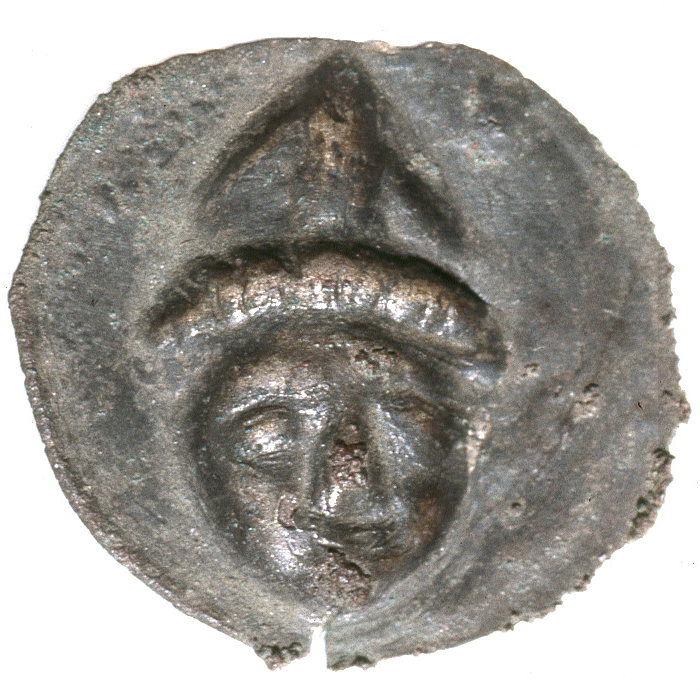 Obverse
Design Features
The obverse of the ¼ Penning features a finely detailed bust of an ecclesiastical figure wearing a mitre, a traditional headpiece symbolizing authority and religious leadership. This design is encircled by a beaded ring, adding an element of elegance and craftsmanship to the small coin. Although the reverse design specifics are not detailed here, it likely contains inscriptions or imagery reflecting its ecclesiastical origins, as was customary with coins of the period. The design not only serves an aesthetic function but also communicates the power and sanctity associated with the issuing authority.
Technical Specifications
The ¼ Penning is a diminutive coin by modern standards, with a weight of only 0.28 grams. Despite its small size, it is composed of silver, a testament to its value and importance. The choice of silver also reflects the coin's intended use for trade and economic transactions within the region. The precise metal composition, combined with its lightweight nature, makes it a delicate yet durable piece of currency from medieval times.
Collectible Value
In the realm of numismatics, the ¼ Penning from Nidaros holds significant collectible value. Its limited minting period between 1277 and 1281, combined with the historical context of Archbishop Jon Raude's leadership, enhances its rarity and desirability among collectors. Coins from this period and region are seldom found in private collections, making each discovery a noteworthy event. The coin's market value is further bolstered by its silver composition and the intricate design work that has survived the centuries. Collectors value these coins not only for their rarity but also for the stories they tell about medieval Scandinavian history.
Conclusion
The ¼ Penning from the Nidaros Archbishopric is more than a mere piece of silver; it is a window into the past, offering insight into the socio-political and religious dynamics of medieval Norway. Its rarity and historical significance make it a prized possession for collectors and a subject of interest for historians. As a numismatic artifact, it encapsulates the intersection of art, history, and commerce, proving that even the smallest coins can bear the weight of history. Whether you are a seasoned collector or a history enthusiast, the ¼ Penning is a remarkable testament to the enduring legacy of the Nidaros Archbishopric.

ScanMyCoin: AI Coin Recognition
Professional AI coin recognition and collection management platform. Identify, learn, and track your coin collection with advanced AI technology and a vast.