

Nassau Nassau ½ gulden, 1838-1839
Description:
½ gulden Nassau ½ gulden, 1838-1839 coin from Nassau. Design, history & value.
Introduction
The Nassau ½ Gulden coin minted between 1838 and 1839 holds a special place in numismatic history. As a significant piece from the Duchy of Nassau, this silver coin showcases intricate design details and historical importance that attract coin collectors worldwide.
Historical Background
The Duchy of Nassau, a small German state, issued this ½ Gulden coin during the rule of Wilhelm Herzog zu Nassau. The period between 1838 and 1839 was marked by political and social changes, making these coins a reflection of the era's economic stability and cultural values.
Coin Images
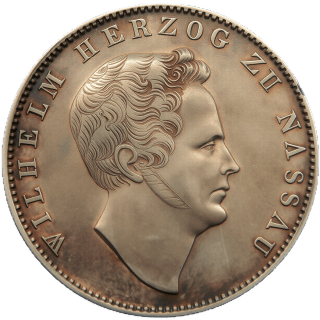 Obverse
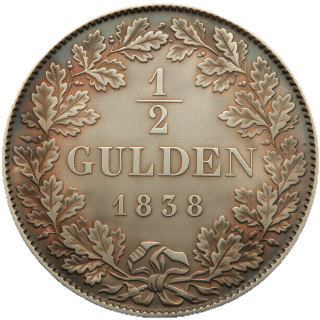 Reverse
Design Features
The obverse of the coin features a detailed depiction of Wilhelm Herzog zu Nassau, emphasizing his regal stature and leadership. The reverse side displays the clear inscription of "1/2 Gulden," symbolizing the coin's denomination and value within the monetary system of Nassau.
Technical Specifications
This silver coin has a composition of 0.900 silver, weighing 5.30 grams with a diameter of 24.00mm. The precise craftsmanship and standard specifications make it a desirable addition to any numismatic collection.
Collectible Value
Due to its historical significance and limited mintage period, the Nassau ½ Gulden coin holds a notable market value among collectors. Its rarity and connection to the Duchy of Nassau make it a sought-after piece for numismatists seeking unique and valuable coins.
Conclusion
In conclusion, the Nassau ½ Gulden silver coin from 1838-1839 stands as a testament to the rich history and cultural heritage of the Duchy of Nassau. Its exquisite design, historical background, and collectible value make it a prized possession for both seasoned collectors and enthusiasts looking to delve into the world of rare numismatic treasures. By exploring the intricate details and significance of the Nassau ½ Gulden coin, collectors can appreciate the artistry and historical context encapsulated within this numismatic gem.

ScanMyCoin: AI Coin Recognition
Professional AI coin recognition and collection management platform. Identify, learn, and track your coin collection with advanced AI technology and a vast.