

Mysore Mysore 1 kasu, ND (1674)
Description:
1 kasu Mysore 1 kasu, ND (1674) coin from Mysore. Design, history & value.
Introduction:
The Kingdom of Mysore's 1 kasu copper coin, minted in 1674, stands as a testament to the rich numismatic history of India. This coin carries significant historical value and unique design elements that make it a prized possession for collectors and enthusiasts.
Historical Background:
Issued by the Kingdom of Mysore, this coin reflects the economic and political landscape of South India during the late 17th century. Mysore, known for its cultural heritage and administrative prowess, utilized coins like the 1 kasu to facilitate trade and signify its authority.
Coin Images
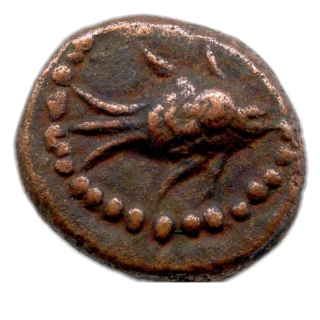 Obverse
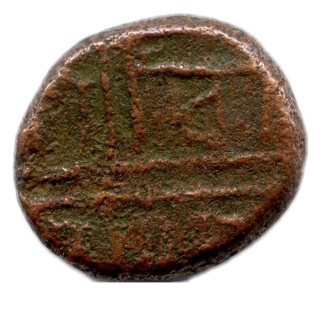 Reverse
Design Features:
The obverse of the Mysore 1 kasu coin showcases a striking fish design, symbolizing prosperity and abundance in Indian culture. On the reverse side, the coin features a legend that remains unidentified, adding an air of mystery and intrigue to this historical artifact.
Technical Specifications:
This copper coin weighs 3.00g and has a diameter of 15.00mm, making it a relatively small yet intricately designed piece of currency from the Kingdom of Mysore. The composition of copper ensures durability while highlighting the craftsmanship of the minting process.
Collectible Value:
The Mysore 1 kasu coin holds both historical and collectible significance in the world of numismatics. Its rarity, coupled with the unique fish motif and enigmatic reverse legend, makes it a sought-after item among coin collectors. The market value of this coin reflects its scarcity and desirability among enthusiasts.
Conclusion:
In conclusion, the Kingdom of Mysore 1 kasu copper coin from 1674 remains a prized possession for those passionate about Indian numismatics. Its historical importance, intricate design, and collectible value make it a valuable addition to any coin collection. Owning this piece of Indian heritage is not just a matter of ownership but also a connection to a bygone era of rich cultural and economic significance.

ScanMyCoin: AI Coin Recognition
Professional AI coin recognition and collection management platform. Identify, learn, and track your coin collection with advanced AI technology and a vast.