

Mecklenburg-Strelitz Mecklenburg-Strelitz 1½ pfennig, 1838
Description:
1½ pfennig Mecklenburg-Strelitz 1½ pfennig, 1838 coin from Mecklenburg-Strelitz. Design, history & value.
Introduction
The Mecklenburg-Strelitz 1½ pfennig, minted in 1838, holds a significant place in numismatic history due to its association with the Grand Duchy of Mecklenburg-Strelitz. This copper coin not only reflects the economic and political landscape of its era but also showcases exquisite craftsmanship in its design.
Historical Background
Issued by Mecklenburg-Strelitz, a grand duchy in Northern Germany from 1815 to 1870, this coin was part of the region's monetary system during a period of transition and consolidation. The 1½ pfennig denomination served as an essential unit in daily transactions, emphasizing the duchy's economic stability.
Coin Images
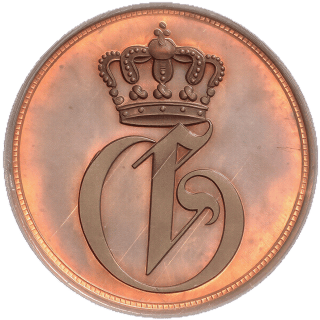 Obverse
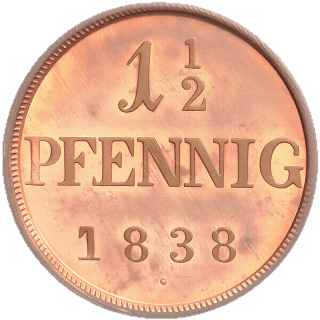 Reverse
Design Features
The obverse of the coin features a striking monogram, possibly representing the ruling authority or mintmaster of Mecklenburg-Strelitz. On the reverse, the inscription "1½ PFENNIG" is prominently displayed, indicating the coin's value in the local currency system. The simplicity and elegance of the design highlight the practical nature of this circulating coin.
Technical Specifications
This 1½ pfennig coin has a diameter of 18.00mm and is composed of copper, a common material for small denominations during the 19th century. The modest size and weight of the coin make it convenient for everyday transactions, reflecting the duchy's emphasis on practicality in its coinage.
Collectible Value
Due to its historical significance and limited mintage, the Mecklenburg-Strelitz 1½ pfennig 1838 copper coin is highly sought after by collectors of German numismatics. Its rarity and connection to a specific region make it a valuable addition to any collection, with its market value reflecting both its historical importance and scarcity.
Conclusion
In conclusion, the Mecklenburg-Strelitz 1½ pfennig 1838 copper coin stands as a testament to the numismatic heritage of the Grand Duchy of Mecklenburg-Strelitz. Its unique design, historical background, and collectible value make it a prized possession for both passionate collectors and enthusiasts of European coinage. Owning this coin not only offers a tangible connection to a bygone era but also showcases the artistry and economic traditions of 19th-century Germany.

ScanMyCoin: AI Coin Recognition
Professional AI coin recognition and collection management platform. Identify, learn, and track your coin collection with advanced AI technology and a vast.