

Mecklenburg-Schwerin Mecklenburg-Schwerin 4 schilling, 1785-1809
Description:
4 schilling Mecklenburg-Schwerin 4 schilling, 1785-1809 coin from Mecklenburg-Schwerin. Design, history & value.
Introduction
The Mecklenburg-Schwerin 4 schilling coin, minted between 1785 and 1809, holds a significant place in numismatic history. As a product of the Duchy of Mecklenburg-Schwerin, this silver coin reflects the rich heritage and cultural pride of the region.
Historical Background
Issued by the authority of Mecklenburg-Schwerin, this coin circulated during a pivotal period in European history. The Duchy of Mecklenburg-Schwerin was known for its economic stability and adherence to quality standards in coinage. The 4 schilling denomination was widely used in daily transactions, showcasing the economic importance of the region.
Coin Images
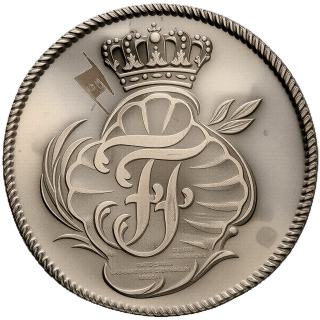 Obverse
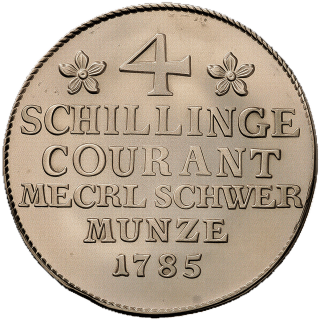 Reverse
Design Features
The obverse of the coin features the monogram "FF," symbolizing the reigning authority of Mecklenburg-Schwerin. On the reverse, the inscription "4 SCHILLINGE COURANT / MECKL SCHWER MUNZE" signifies the face value and origin of the coin. The simplicity and elegance of the design highlight the traditional craftsmanship of the era.
Technical Specifications
This silver coin weighs 3.06g with a diameter of 23.50mm, making it a compact and easily portable denomination. Composed of 0.562 silver, the coin's specifications adhere to the standards of the time, ensuring its authenticity and value.
Collectible Value
The Mecklenburg-Schwerin 4 schilling coin is highly sought after by collectors due to its historical significance and limited availability. Its rarity and association with a specific region make it a valuable addition to any numismatic collection. The market value of this coin reflects its desirability among collectors worldwide.
Conclusion
In conclusion, the Mecklenburg-Schwerin 4 schilling silver coin from 1785-1809 stands as a testament to the craftsmanship and economic prowess of the Duchy of Mecklenburg-Schwerin. Its unique design, historical significance, and collectible value make it a cherished piece for numismatists and history enthusiasts alike. Owning this coin not only provides a tangible connection to the past but also showcases the enduring legacy of a bygone era.

ScanMyCoin: AI Coin Recognition
Professional AI coin recognition and collection management platform. Identify, learn, and track your coin collection with advanced AI technology and a vast.