

Mecklenburg-Schwerin Mecklenburg-Schwerin 10 thaler, 1752
Description:
10 thaler Mecklenburg-Schwerin 10 thaler, 1752 coin from Mecklenburg-Schwerin. Design, history & value.
1. Introduction
The Mecklenburg-Schwerin 10 thaler coin, minted in 1752, stands as a testament to the numismatic heritage of the Duchy of Mecklenburg-Schwerin. This exquisite gold coin not only reflects the artistic prowess of the era but also holds significant historical importance.
2. Historical Background
Issued by the authority of Mecklenburg-Schwerin in 1752, this coin was part of the numismatic legacy of the duchy, which lasted from 1696 to 1816. The Duchy of Mecklenburg-Schwerin was known for its rich cultural heritage and economic prosperity during this period, making its coins highly sought after by collectors and historians alike.
3. Design Features
The obverse of the coin features the inscription "CHRIST LVDOV D G DVX MECKLENB," highlighting the reigning Duke of Mecklenburg-Schwerin at that time. On the reverse, the year "1752" is displayed alongside the Latin phrase "PER ANGUSTA AD AUGUSTA," symbolizing the journey from difficulties to greatness.
4. Technical Specifications
This 10 thaler coin is composed of 0.896 fine gold, weighing 13.32g. With a diameter and thickness that align with the standards of the era, this coin showcases the meticulous craftsmanship of the minting process during the 18th century.
5. Collectible Value
Due to its historical significance, intricate design, and limited mintage, the Mecklenburg-Schwerin 10 thaler gold coin from 1752 holds a considerable collectible value. Numismatists and coin collectors prize this piece for its rarity and cultural significance, often fetching high prices in the numismatic market.
6. Conclusion
In conclusion, the Mecklenburg-Schwerin 10 thaler coin of 1752 encapsulates a blend of artistry, history, and monetary value. Its elegant design and historical context make it a prized possession for collectors and enthusiasts of numismatics. Owning such a coin not only adds a valuable piece to a collection but also serves as a link to the rich heritage of the Duchy of Mecklenburg-Schwerin.
Coin Images
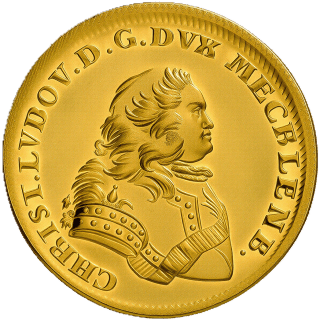 Obverse
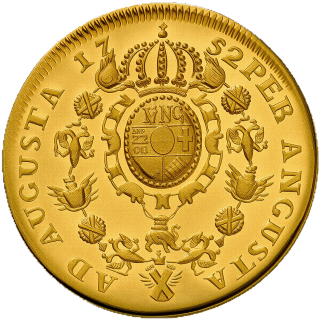 Reverse

ScanMyCoin: AI Coin Recognition
Professional AI coin recognition and collection management platform. Identify, learn, and track your coin collection with advanced AI technology and a vast.