

Mamluk Sultanate Fals - al-Salih Isma'il (Halab)
Description:
1 Fals Fals - al-Salih Isma'il (Halab) coin from Mamluk Sultanate. Design, history & value.
Introduction
The Mamluk Sultanate Fals - al-Salih Isma'il (Halab) coin holds a significant place in numismatic history, showcasing exquisite design elements and rich historical importance. Minted during the years 1342 to 1345, this coin offers a glimpse into the flourishing economy and intricate craftsmanship of the Mamluk era.
Historical Background
The Mamluk Sultanate, renowned for its military prowess and cultural achievements, issued the Fals - al-Salih Isma'il coinage. Sultan al-Salih Isma'il, who ruled from Halab (Aleppo), sought to standardize the coinage system to foster trade and strengthen the empire's economic stability. These coins circulated widely, reflecting the Sultanate's dominance in the region.
Coin Images
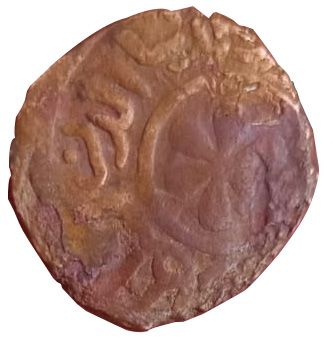 Obverse
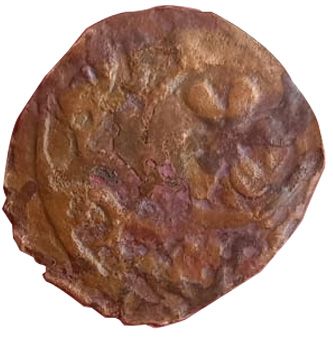 Reverse
Design Features
The obverse of the Fals - al-Salih Isma'il coin features a striking inscription encircling a delicate flower motif, symbolizing prosperity and beauty. On the reverse, a similar inscription surrounds another floral design, creating a symmetrical and aesthetically pleasing composition. The intricate calligraphy and detailed floral patterns exemplify the artistic sophistication of Mamluk coinage.
Technical Specifications
This 1 Fals coin weighs 2.59 grams and has a diameter of 18.50mm. Crafted with precision, it showcases a combination of copper and other metals, reflecting the metallurgical expertise of Mamluk artisans. The standardized weight and size ensured seamless transactions and reinforced the Sultanate's economic stability.
Collectible Value
The Mamluk Sultanate Fals - al-Salih Isma'il coin holds significant collectible value among numismatists and historians. Its rarity, coupled with the intricate design and historical relevance, contributes to its desirability among coin collectors. Depending on the coin's condition and historical provenance, its market value can vary, making it a sought-after piece in numismatic circles.
Conclusion
In conclusion, the Mamluk Sultanate Fals - al-Salih Isma'il (Halab) 1 Fals coin stands as a testament to the artistic finesse and economic prosperity of the Mamluk era. With its captivating design, historical significance, and collectible value, this coin serves as a cherished relic of a bygone era, inviting enthusiasts to delve into its rich history and aesthetic allure.

ScanMyCoin: AI Coin Recognition
Professional AI coin recognition and collection management platform. Identify, learn, and track your coin collection with advanced AI technology and a vast.