

Mamluk Sultanate Fals - al-Nāṣir Muhammad I (al-Qahira)
Description:
1 Fals Fals - al-Nāṣir Muhammad I (al-Qahira) coin from Mamluk Sultanate. Design, history & value.
Introduction
The Mamluk Sultanate Fals featuring al-Nāṣir Muhammad I, struck in al-Qahira (Cairo), stands as a testament to the rich numismatic history of the Islamic world. This copper coin, denominated as 1 Fals, holds immense historical and cultural significance, making it a coveted piece among coin collectors and enthusiasts worldwide.
Historical Background
The Mamluk Sultanate, a medieval Islamic empire that ruled Egypt and the Levant, issued coins bearing the name of their reigning sultans. Al-Nāṣir Muhammad I, a prominent Mamluk ruler who reigned from 1293 to 1341, commissioned these coins to circulate in the bustling markets of al-Qahira, the capital city.
Coin Images
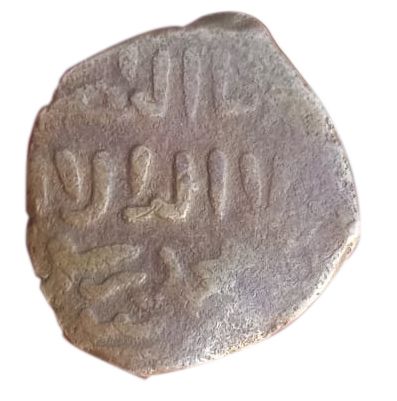 Obverse
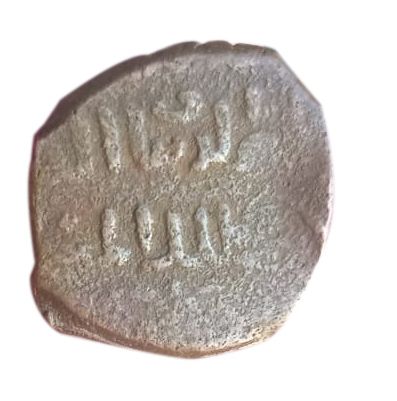 Reverse
Design Features
The obverse of the Fals coin showcases a central inscription in Arabic script, typically featuring the name and titles of the ruling sultan. The reverse often displays intricate geometric patterns or calligraphic elements, reflecting the artistic sophistication of Mamluk coinage. These designs encapsulate the cultural and religious motifs prevalent during that era.
Technical Specifications
This 1 Fals copper coin weighs approximately 2.37 grams and has a diameter of 19.00mm, making it a compact yet substantial piece of numismatic history. The durable copper composition ensured the longevity of these coins, allowing them to survive the test of time and retain their historical charm.
Collectible Value
The Mamluk Sultanate Fals coins, especially those minted during the reign of al-Nāṣir Muhammad I, hold significant collectible value in the numismatic community. Due to their historical importance and limited availability, these coins are highly sought after by collectors keen on acquiring rare pieces from Islamic numismatics. The market value of these coins can vary based on their condition, rarity, and historical provenance.
Conclusion
In conclusion, the Mamluk Sultanate Fals - al-Nāṣir Muhammad I (al-Qahira) copper 1 Fals coin stands as a remarkable relic from a bygone era, symbolizing the artistic and cultural achievements of the Mamluk dynasty. With its intricate designs, historical significance, and collectible value, this coin serves as a fascinating piece of Islamic numismatic history that continues to captivate collectors and historians alike.

ScanMyCoin: AI Coin Recognition
Professional AI coin recognition and collection management platform. Identify, learn, and track your coin collection with advanced AI technology and a vast.