

Mainz Mainz 3 pfennig, 1760
Description:
3 pfennig Mainz 3 pfennig, 1760 coin from Mainz. Design, history & value.
Introduction
The Mainz 3 pfennig coin, minted in 1760, holds a significant place in the history of the Electorate of Mainz. This copper coin not only serves as a tangible piece of history but also showcases the artistic and technical prowess of the era.
Historical Background
The Electorate of Mainz, a powerful ecclesiastical state in present-day Germany, issued coins for circulation during the period of 1759 to 1796. The Mainz 3 pfennig coin was a crucial denomination in daily transactions, reflecting the economic activities of the region during the 18th century.
Coin Images
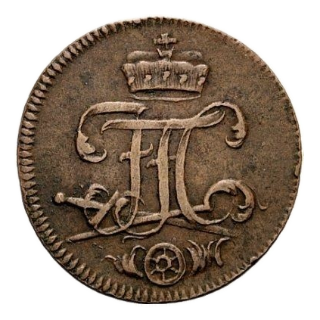 Obverse
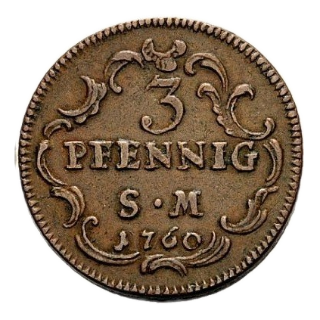 Reverse
Design Features
The obverse of the Mainz 3 pfennig coin features a distinctive monogram, possibly representing the ruling authority or the issuing authority of Mainz. On the reverse side, a mysterious legend is inscribed, inviting further exploration and research to uncover its full meaning and significance.
Technical Specifications
This copper coin has a modest size and weight, typical of its denomination. The composition of copper ensures durability and longevity, preserving the intricate designs for collectors and historians to admire for generations to come.
Collectible Value
The Mainz 3 pfennig coin from 1760 holds a notable place in numismatic collections due to its historical significance and relative scarcity. Collectors value this coin for its connection to the Electorate of Mainz and the intriguing mysteries surrounding its design elements. With its rarity and desirability among numismatists, the Mainz 3 pfennig coin commands a respectable market value, especially in well-preserved conditions. Its historical importance and unique design make it a sought-after piece for collectors interested in the coinage of the Electorate of Mainz.
Conclusion
In conclusion, the Mainz 3 pfennig coin of 1760 stands as a testament to the rich history and numismatic heritage of the Electorate of Mainz. Its intricate design, historical significance, and collectible value make it a prized addition to any coin collection. By owning this coin, collectors can own a piece of history and appreciate the artistry of 18th-century coinage in the German region.

ScanMyCoin: AI Coin Recognition
Professional AI coin recognition and collection management platform. Identify, learn, and track your coin collection with advanced AI technology and a vast.