

Mainz Mainz 20 kreuzer, 1794
Description:
20 kreuzer Mainz 20 kreuzer, 1794 coin from Mainz. Design, history & value.
Introduction
The Mainz 20 kreuzer 1794 coin holds a significant place in numismatic history as a testament to the Electorate of Mainz's monetary system. This silver coin not only showcases exquisite craftsmanship but also represents a pivotal era in the region's coinage.
Historical Background
Issued in 1794 by Mainz, the coin was part of the Electorate of Mainz's coinage system from 1759 to 1796. During this period, Mainz, a prominent ecclesiastical principality, minted coins of various denominations to facilitate trade and commerce within its territories.
Coin Images
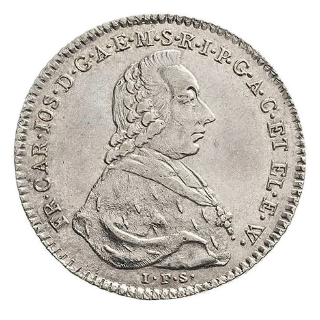 Obverse
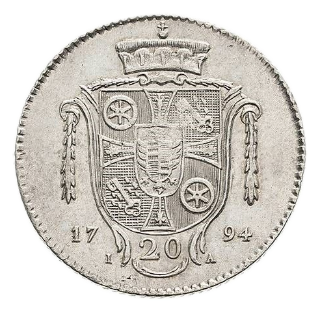 Reverse
Design Features
The obverse of the Mainz 20 kreuzer 1794 coin features the inscription "FR CAR IOS D G A E M S R I P G A C ET EL E W," signifying the authority and title of the issuing entity. On the reverse, the creators' initials "Joseph Aatz (IA)" are displayed, indicating the artisans responsible for the coin's design and production.
Technical Specifications
This silver coin measures [specify size] and weighs [specify weight]. With a composition of silver, the Mainz 20 kreuzer 1794 coin embodies the traditional monetary standards prevalent during the Electorate of Mainz's era.
Collectible Value
The Mainz 20 kreuzer 1794 coin is not just a numismatic artifact but a prized collectible item sought after by enthusiasts. Its historical significance, coupled with its rarity, contributes to its value in the numismatic market. Collectors highly covet this coin for its ties to the Electorate of Mainz and the artistry reflected in its design.
Conclusion
In conclusion, the Mainz 20 kreuzer 1794 silver coin stands as a remarkable piece of numismatic history, encapsulating the essence of the Electorate of Mainz's coinage system. With its intricate design and historical significance, this coin symbolizes a bygone era and holds immense value for collectors and historians alike. Owning a piece of this numismatic treasure offers a glimpse into the rich heritage of Mainz and the artistry of coin minting in the late 18th century.

ScanMyCoin: AI Coin Recognition
Professional AI coin recognition and collection management platform. Identify, learn, and track your coin collection with advanced AI technology and a vast.