
Liège Liège 1 patagon, 1662-1686
Description:
1 patagon Liège 1 patagon, 1662-1686 coin from Liège. Design, history & value.
Introduction
The Liège 1 patagon coin holds a significant place in the numismatic history of the Prince-Bishopric of Liège. Minted between 1662 and 1686, this silver coin showcases remarkable craftsmanship and historical importance.
Historical Background
During the period of 1650-1794, the Prince-Bishopric of Liège issued its own currency, including the 1 patagon coin. These coins were a symbol of the region's autonomy and economic strength. The Liège coinage system was renowned for its quality and integrity, making these coins highly sought after by collectors today.
Coin Images
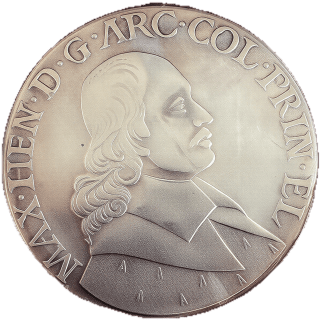 Obverse
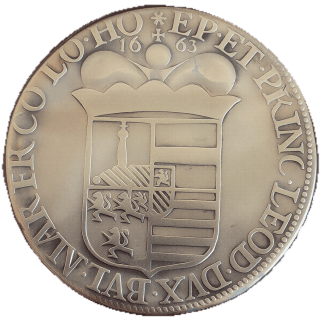 Reverse
Design Features
The obverse of the Liège 1 patagon coin features the inscription "MAX HEN D G ARC COL PRIN EL," representing the reigning prince-bishop at the time. The reverse displays the elaborate legend "EP ET PRINC LEOD DVX BVL MAR FR CO LO HO," signifying the ecclesiastical and secular authority of Liège.
Technical Specifications
This silver coin weighs 28.10 grams with a diameter of 39.00mm. Composed of 87.5% silver, the coin's substantial weight and quality craftsmanship are evident in its intricate design and durable composition.
Collectible Value
The Liège 1 patagon coin holds significant collectible value in the numismatic world. Its historical significance, coupled with its rarity and unique design, make it a prized possession for coin collectors. The market value of these coins can vary based on factors such as condition, year of minting, and demand among collectors.
Conclusion
In conclusion, the Liège 1 patagon silver coin from 1662-1686 is a treasure trove of history and artistry. Its intricate design, historical significance, and collectible value make it a must-have for numismatists and history enthusiasts alike. Owning a piece of the Prince-Bishopric of Liège's coinage heritage brings a tangible connection to the past and a valuable addition to any coin collection. By exploring the rich history, design features, and collectible value of the Liège 1 patagon coin, collectors can appreciate the craftsmanship and significance of this remarkable piece of numismatic history.

ScanMyCoin: AI Coin Recognition
Professional AI coin recognition and collection management platform. Identify, learn, and track your coin collection with advanced AI technology and a vast.