

Japan Japan 50 yen, 1959-1966
Posted on: December 2, 2025
keywords: Japan, Japan 50 yen, 1959-1966, 50 yen, coin collecting, numismatics, Japan
Description:
50 yen Japan 50 yen, 1959-1966 coin from Japan. Design, history & value.
- Introduction: The Japan 50 yen coin, minted from 1959 to 1966 during the reign of Emperor Hirohito, holds significant historical and numismatic value. This nickel coin symbolizes a pivotal era in Japanese history and showcases intricate design elements that appeal to both collectors and enthusiasts.
- Historical Background: Issued by Japan, the 50 yen coin was part of the Showa series, denoting the period from 1950 to 1989. During this time, Japan experienced rapid economic growth and social transformation, making these coins a tangible link to the country's post-war recovery and prosperity. The coin's circulation facilitated daily transactions and represented a sense of national identity.
- Design Features: The obverse of the Japan 50 yen coin features the denomination "五十円" (50 yen) inscribed above the national title "日本国" (Japan). The reverse side displays the numerical value "50" surrounded by a simple yet elegant design. The minimalistic approach to the coin's design reflects the cultural aesthetics of Japan during that period.
- Technical Specifications: Weighing 5.00 grams and measuring 25.00mm in diameter, the Japan 50 yen coin is composed of nickel. Its standard size and weight make it easily recognizable among other circulating coins. The precise specifications contribute to the coin's durability and longevity, ensuring its preservation for future generations.
- Collectible Value: The Japan 50 yen coin from 1959 to 1966 holds both historical and collectible significance. Due to its limited mintage years and unique design elements, this coin appeals to numismatists seeking to expand their collections with coins from the Showa era. The market value of these coins may vary based on their condition, rarity, and demand among collectors.
- Conclusion: In conclusion, the Japan 50 yen coin minted between 1959 and 1966 stands as a testament to Japan's cultural heritage and economic progress during the Showa period. Its distinctive design, historical relevance, and collectible value make it a prized addition to any coin collection. Whether for investment purposes or personal enjoyment, this coin represents a tangible piece of Japan's numismatic legacy.
Coin Images
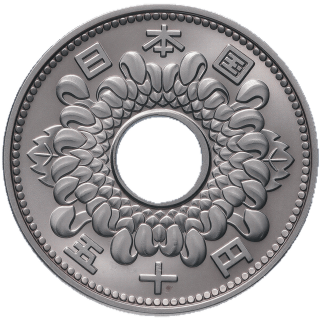 Obverse
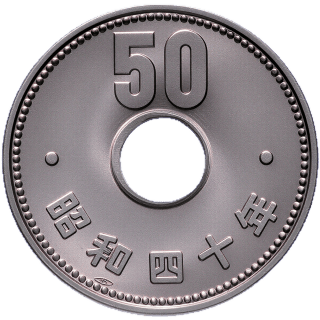 Reverse

ScanMyCoin: AI Coin Recognition
Professional AI coin recognition and collection management platform. Identify, learn, and track your coin collection with advanced AI technology and a vast.