

Japan Japan 500 yen, 22 (2010)
Posted on: December 2, 2025
keywords: Japan, Japan 500 yen, 22 (2010), 500 yen, coin collecting, numismatics, Japan
Description:
500 yen Japan 500 yen, 22 (2010) coin from Japan. Design, history & value.
- Introduction: The Japan 500 yen coin minted in 2010 holds a special place in the hearts of numismatists worldwide. As part of the Akihito (Heisei) era collection, this bi-metallic coin stands out for its unique design and historical significance.
- Historical Background: Issued by Japan, this coin pays homage to the progressive Heisei era (1989 - 2019), characterized by economic growth and cultural advancements. The 500 yen denomination holds a symbolic value in Japanese currency, representing prosperity and good fortune.
- Design Features: The obverse of the coin features intricate Japanese characters "五百円" alongside "佐賀県 SAGA" and "日本国," highlighting the connection to Saga Prefecture and the Japanese nation. On the reverse, "500 YEN" is displayed with "JAPAN 47 PREFECTURES COIN PROGRAM" and "地方自治 / 平成22年," symbolizing local autonomy and the 22nd year of the Heisei era.
- Technical Specifications: This bi-metallic coin weighs 7.00g and boasts a diameter of 26.50mm. Its composition includes a Copper-Nickel center and a Nickel-Brass ring, combining durability with aesthetic appeal. The precise craftsmanship is evident in the fine details of the design.
- Collectible Value: The Japan 500 yen 2010 coin is highly sought after by collectors for its historical significance and unique composition. Its market value reflects its rarity and cultural value, making it a prized possession for numismatists passionate about Japanese coins. The coin's limited mintage adds to its collectible allure, attracting both seasoned collectors and enthusiasts.
- Conclusion: In conclusion, the Japan 500 yen 2010 bi-metallic coin encapsulates the essence of the Heisei era and Japan's rich numismatic heritage. Its intricate design, historical significance, and collectible value make it a must-have for any serious coin collector. Embrace the beauty and history embodied in this remarkable coin from Japan.
Coin Images
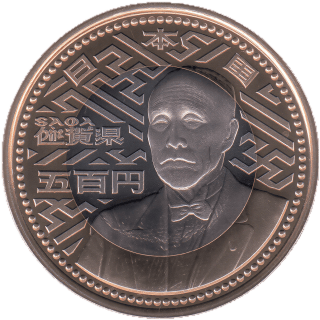 Obverse
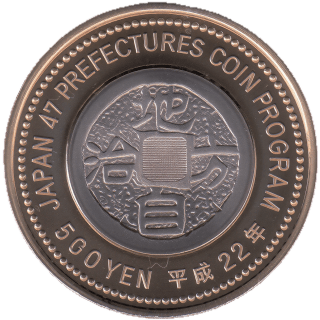 Reverse

ScanMyCoin: AI Coin Recognition
Professional AI coin recognition and collection management platform. Identify, learn, and track your coin collection with advanced AI technology and a vast.