

India India 50 paise, 1984-1990
Description:
50 paise India 50 paise, 1984-1990 coin from India. Design, history & value.
1. Introduction
The India 50 paise coin, circulated between 1984 and 1990, is a significant piece of Indian numismatic history. This coin played a vital role in daily transactions during its circulation period and holds both monetary and historical value today.
2. Historical Background
Issued by the Republic of India, the 50 paise coin symbolizes a crucial era in the country's economic landscape. During this period, India was experiencing rapid growth and development, reflected in its currency system.
3. Design Features
The obverse of the coin showcases the word "INDIA" in English, Hindi (भारत), and the national motto "Satyamev Jayate," meaning "Truth alone triumphs." The reverse side features the numerical value "50 PAISE" in English and Hindi (पैसे), highlighting the denomination of the coin.
4. Technical Specifications
Crafted from copper-nickel, the India 50 paise coin weighs 5.09 grams and has a diameter of 24.00mm. These specifications make it a standard-sized coin suitable for everyday transactions.
5. Collectible Value
While no longer in circulation, the India 50 paise coin holds significant collectible value among numismatists and coin enthusiasts. Its limited mintage period and unique design elements contribute to its desirability. Due to its historical importance and rarity, this coin is sought after by collectors looking to enrich their collections with Indian currency.
6. Conclusion
In conclusion, the India 50 paise coin from 1984 to 1990 stands as a testament to India's rich numismatic heritage. Its intricate designs, historical relevance, and collectible appeal make it a prized possession for those passionate about Indian coins. Whether for investment purposes or as part of a diverse coin collection, this coin encapsulates the essence of India's evolving monetary landscape.
By exploring the India 50 paise coin's history, design intricacies, and collectible value, one can appreciate its significance within the realm of numismatics and Indian heritage.
Coin Images
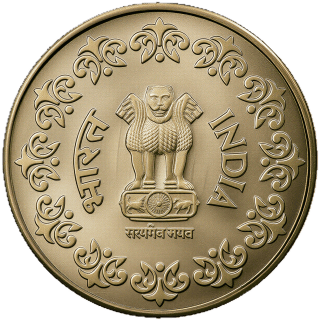 Obverse
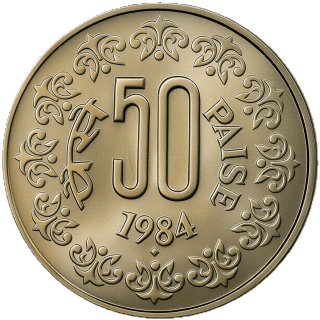 Reverse

ScanMyCoin: AI Coin Recognition
Professional AI coin recognition and collection management platform. Identify, learn, and track your coin collection with advanced AI technology and a vast.