

Hungary Hungary 10 filler, 1926-1940
Description:
10 filler Hungary 10 filler, 1926-1940 coin from Hungary. Design, history & value.
Introduction
The Hungary 10 filler coin minted between 1926 and 1940 holds a significant place in the numismatic history of Hungary. With its intricate design and historical significance, this copper-nickel coin attracts both collectors and enthusiasts of Hungarian currency.
Historical Background
Issued by Hungary during the Regency era (1926-1945), the 10 filler coin was a part of the country's efforts to standardize its currency system. The coinage reform aimed to stabilize the economy and reflect the cultural heritage of Hungary through its coins.
Coin Images
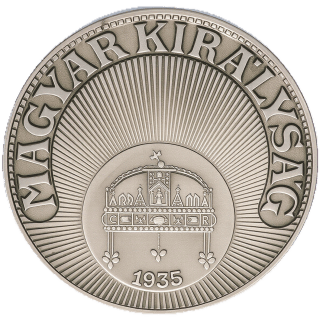 Obverse
 Reverse
Design Features
The obverse of the coin features the inscription "MAGYAR KIRÁLYSÁG," meaning "Kingdom of Hungary," surrounded by decorative elements. On the reverse side, the coin displays "10 FILLÉR" above "BP.," representing the denomination and mintmark of Budapest.
Technical Specifications
- Denomination: 10 filler
- Country: Hungary
- Issuing Authority: Hungary
- Composition: Copper-Nickel
- Weight: 3.01g
- Diameter: 19.00mm
Collectible Value
The Hungary 10 filler coin from 1926 to 1940 holds both historical and collectible significance. Due to its limited mintage and historical context, this coin is sought after by collectors of Hungarian currency and numismatists interested in the Regency era. Its market value can vary based on the coin's condition, rarity, and demand in the numismatic market.
Conclusion
In conclusion, the Hungary 10 filler copper-nickel coin from the years 1926 to 1940 represents a blend of historical importance and numismatic appeal. Whether as a valuable addition to a coin collection or a piece of Hungarian history, this coin continues to captivate collectors worldwide with its unique design and historical significance. By exploring the rich history and intricate details of the Hungary 10 filler coin, collectors and enthusiasts gain a deeper appreciation for the cultural and numismatic heritage encapsulated within this small yet significant piece of Hungarian currency.

ScanMyCoin: AI Coin Recognition
Professional AI coin recognition and collection management platform. Identify, learn, and track your coin collection with advanced AI technology and a vast.