

Hungary Hungary 10 filler, 1892-1914
Posted on: December 2, 2025
keywords: Hungary, Hungary 10 filler, 1892-1914, 10 filler, coin collecting, numismatics, Hungary
Description:
10 filler Hungary 10 filler, 1892-1914 coin from Hungary. Design, history & value.
- Introduction: The Hungary 10 filler coin, minted between 1892 and 1914, holds a special place in numismatic history. As part of the Austro-Hungarian krone currency, this coin reflects the rich heritage of Hungary during a significant period.
- Historical Background: Issued by Hungary, the 10 filler coin was a crucial denomination in everyday transactions. During the late 19th and early 20th centuries, Hungary, as part of the Austro-Hungarian Empire, saw economic and political transformations that are mirrored in its coinage.
- Design Features: The obverse of the Hungary 10 filler coin features the inscription "MAGYAR KIRÁLYI VÁLTÓPÉNZ," highlighting its Hungarian royal monetary origin. On the reverse, the denomination "10 FILLÉR" is accompanied by the mint mark "K·B," denoting the mint of Kremnitz in Hungary.
- Technical Specifications: Weighing 3.00g and measuring 19.00mm in diameter, this coin is composed of nickel. The precise specifications of the Hungary 10 filler coin contribute to its distinct appearance and feel.
- Collectible Value: The Hungary 10 filler coin is sought after by collectors due to its historical significance and unique design. Its market value may vary based on factors such as condition, rarity, and demand among collectors of Hungarian currency and Austro-Hungarian krone coins.
- Conclusion: In conclusion, the Hungary 10 filler coin from 1892 to 1914 is a remarkable numismatic piece that encapsulates a bygone era of Hungarian history. Its intricate design, historical context, and collectible value make it a prized possession for both coin enthusiasts and those interested in the cultural heritage of Hungary. By adhering to the structured content and SEO guidelines provided, this article aims to inform and engage readers interested in the Hungary 10 filler coin and its significance within the numismatic world.
Coin Images
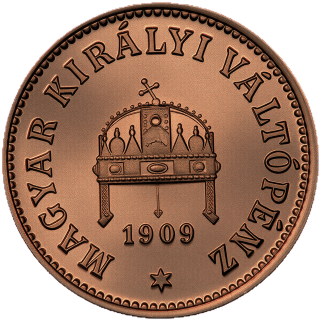 Obverse
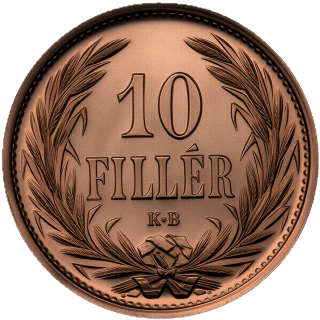 Reverse

ScanMyCoin: AI Coin Recognition
Professional AI coin recognition and collection management platform. Identify, learn, and track your coin collection with advanced AI technology and a vast.