

Hessen-Darmstadt Hessen-Darmstadt 1 ducat, 1740-1753
Description:
1 ducat Hessen-Darmstadt 1 ducat, 1740-1753 coin from Hessen-Darmstadt. Design, history & value.
Introduction
The Hessen-Darmstadt 1 ducat coin minted between 1740 and 1753 holds a significant place in numismatic history. This exquisite gold coin is a testament to the rich heritage of the Landgraviate of Hessen-Darmstadt, showcasing the artistic prowess and historical importance of the region.
Historical Background
Issued by the authority of Hessen-Darmstadt, this coin served as a symbol of wealth and prestige during the 18th century. The Landgraviate of Hessen-Darmstadt, known for its cultural and economic prosperity, used coins like the 1 ducat to facilitate trade and demonstrate its political power.
Coin Images
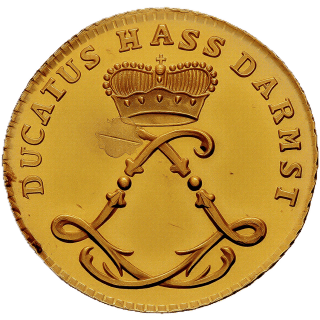 Obverse
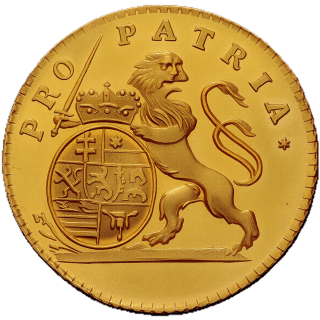 Reverse
Design Features
The obverse of the coin features the inscription "DUCATUS HASS DARMST / LL," highlighting the region of Hessen-Darmstadt. The reverse displays the phrase "PRO PATRIA," emphasizing loyalty to the homeland. These designs not only reflect the political sentiments of the era but also showcase the artistry of the coin minters.
Technical Specifications
Crafted from gold with a purity of 0.986, the Hessen-Darmstadt 1 ducat coin weighs 3.50g, making it a valuable and sought-after collectible. Its compact size and intricate details make it a standout piece in any numismatic collection.
Collectible Value
Due to its rarity and historical significance, the Hessen-Darmstadt 1 ducat coin holds considerable value among collectors. Its limited mintage and connection to a prominent European principality make it a prized possession for numismatists seeking unique pieces from the Landgraviate era.
Conclusion
In conclusion, the Hessen-Darmstadt 1 ducat gold coin from 1740-1753 encapsulates the essence of a bygone era, blending artistry with historical context. Its significance as a relic of Hessen-Darmstadt's past and its collectible value make it a coveted item for both experienced collectors and history enthusiasts alike. This detailed exploration of the Hessen-Darmstadt 1 ducat coin sheds light on its importance in numismatics and offers a glimpse into the cultural and economic landscape of 18th-century Europe.

ScanMyCoin: AI Coin Recognition
Professional AI coin recognition and collection management platform. Identify, learn, and track your coin collection with advanced AI technology and a vast.