
Hesse-Kassel Hesse-Kassel ¼ kreuzer, 1824-1830
Description:
¼ kreuzer Hesse-Kassel ¼ kreuzer, 1824-1830 coin from Hesse-Kassel. Design, history & value.
Introduction
The Hesse-Kassel ¼ kreuzer coin minted between 1824 and 1830 holds significant historical and numismatic value. As a part of the Electorate of Hesse-Kassel currency, this copper coin is a representation of a bygone era in European history.
Historical Background
The Electorate of Hesse-Kassel, located in modern-day Germany, issued this ¼ kreuzer coin during the early 19th century. The region was known for its rich cultural and economic significance, making its coins highly sought after by collectors and historians alike.
Coin Images
 Obverse
 Reverse
Design Features
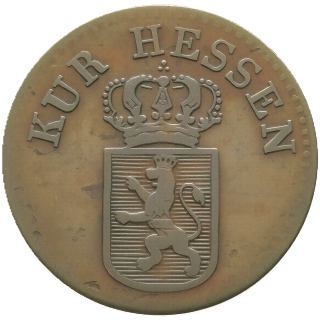
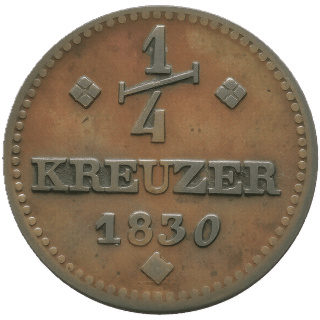
The obverse of the coin features the inscription "KUR HESSEN," representing the title Kurhessen, which translates to Electorate of Hesse. On the reverse side, the denomination "1/4 KREUZER" is prominently displayed. These designs symbolize the authority and monetary value of the coin during that period.
Technical Specifications
The Hesse-Kassel ¼ kreuzer coin has a weight of 1.50g and a diameter of 18.00mm. Crafted from copper, this coin showcases the fine craftsmanship and attention to detail typical of coins minted during this era.
Collectible Value
Due to its historical significance and limited mintage period, the Hesse-Kassel ¼ kreuzer coin is highly sought after by collectors. Its rarity and unique design contribute to its increasing market value, making it a prized addition to any numismatic collection.
Conclusion
In conclusion, the Hesse-Kassel ¼ kreuzer coin from 1824-1830 is a valuable piece of numismatic history that offers a glimpse into the cultural and economic landscape of the Electorate of Hesse-Kassel. With its distinctive design and historical significance, this coin remains a coveted treasure for collectors and enthusiasts worldwide.

ScanMyCoin: AI Coin Recognition
Professional AI coin recognition and collection management platform. Identify, learn, and track your coin collection with advanced AI technology and a vast.