

Hesse-Kassel Hesse-Kassel 8 hellers, 1737-1743
Description:
8 hellers Hesse-Kassel 8 hellers, 1737-1743 coin from Hesse-Kassel. Design, history & value.
1. Introduction
The Hesse-Kassel 8 hellers coin minted between 1737 and 1743 is a rare and historically significant piece from the Landgraviate of Hesse-Kassel. This silver coin holds intrinsic value for collectors and enthusiasts due to its unique design and limited mintage.
2. Historical Background
Issued by the authorities of Hesse-Kassel, the 8 hellers coin served as a prominent denomination during the period of 1730 to 1803. Hesse-Kassel, a German state with a rich numismatic history, produced coins of various denominations to facilitate trade and commerce within its territories.
3. Design Features
The obverse of the Hesse-Kassel 8 hellers coin displays intricate crowns and a monogram symbolizing the authority of the issuing entity. On the reverse side, the denomination "VIII HELLER" is prominently inscribed, emphasizing the coin's face value.
4. Technical Specifications
This silver coin typically measures [specify size], weighs [specify weight], and is composed of high-quality silver. The precise technical parameters contribute to the coin's durability and aesthetic appeal, making it a desirable addition to any numismatic collection.
5. Collectible Value
Due to its limited mintage and historical significance, the Hesse-Kassel 8 hellers coin holds both monetary and collecting value. Numismatists and collectors often seek out this coin for its rarity and unique design elements. Market values may vary based on factors such as condition, demand, and overall scarcity in the numismatic market.
6. Conclusion
In conclusion, the Hesse-Kassel 8 hellers silver coin from the Landgraviate of Hesse-Kassel stands as a testament to the region's numismatic heritage. With its exquisite design, historical importance, and collectible value, this coin remains a prized possession for numismatists and coin enthusiasts alike, showcasing the artistry and craftsmanship of a bygone era.
Coin Images
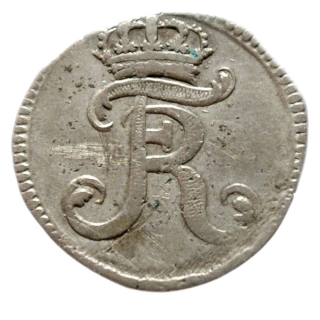 Obverse
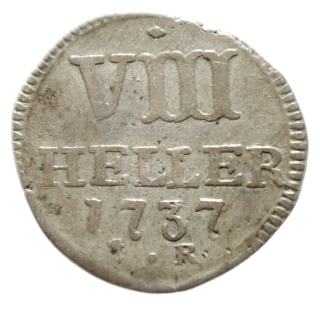 Reverse

ScanMyCoin: AI Coin Recognition
Professional AI coin recognition and collection management platform. Identify, learn, and track your coin collection with advanced AI technology and a vast.