

Hesse-Kassel Hesse-Kassel 1/24 thaler, 1803-1821
Description:
1/24 thaler Hesse-Kassel 1/24 thaler, 1803-1821 coin from Hesse-Kassel. Design, history & value.
Introduction
The Hesse-Kassel 1/24 thaler, minted between 1803 and 1821, stands as a testament to the numismatic heritage of the Electorate of Hesse-Kassel. This silver coin carries historical significance and unique design features that attract both coin collectors and enthusiasts of European history.
Historical Background
The issuing authority, Hesse-Kassel, was a significant German principality during the early 19th century, and its coinage reflected the region's economic and political landscape. The 1/24 thaler denomination was part of a broader coinage system, symbolizing the Electorate's monetary structure.
Coin Images
 Obverse
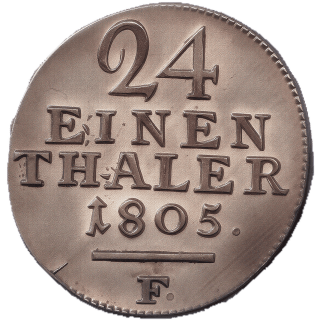 Reverse
Design Features
On the obverse side of the coin, the prominent feature is the Coat of Arms of Hesse-Kassel, showcasing the heraldic symbols of the ruling family. The reverse bears the inscription "24 EINEN THALER," emphasizing the coin's fractional value within the monetary system.
Technical Specifications
This coin weighs approximately 1.63g and has a diameter of 18.00mm, making it a small yet valuable piece of numismatic history. Composed of silver (Billon), the coin's specifications align with the standard of the era's fractional thaler currency.
Collectible Value
Due to its limited mintage period and historical significance, the Hesse-Kassel 1/24 thaler holds considerable collectible value among numismatists. Its rarity level adds to its appeal, making it a sought-after piece for those interested in European coinage from the early 19th century.
Conclusion
In conclusion, the Hesse-Kassel 1/24 thaler from 1803-1821 encapsulates the rich history and cultural heritage of the Electorate of Hesse-Kassel. Its unique design, historical context, and collectible value make it a prized addition to any coin collection, offering a glimpse into the past of this fascinating region. By following this structured approach, you can create an informative and engaging article that caters to both coin enthusiasts and readers interested in the historical significance of numismatic artifacts.

ScanMyCoin: AI Coin Recognition
Professional AI coin recognition and collection management platform. Identify, learn, and track your coin collection with advanced AI technology and a vast.