

Hannover Hannover ⅔ thaler, 1822-1829
Description:
⅔ thaler Hannover ⅔ thaler, 1822-1829 coin from Hannover. Design, history & value.
1. Introduction
The Kingdom of Hannover ⅔ Thaler, minted between 1822 and 1829, stands as a testament to the numismatic history of the region. This silver coin carries both historical significance and intricate designs that appeal to collectors worldwide.
2. Historical Background
Issued by Hannover as part of its currency system during the early 19th century, the ⅔ Thaler played a crucial role in daily transactions and trade within the kingdom. The reign of King Georg IV marked a period of stability and economic growth, reflected in the coinage of the era.
3. Design Features
The obverse of the coin features the inscription "GEORGIUS IV D G BRITAN & HANNOV REX F D," highlighting King Georg IV's titles. On the reverse, the coin displays "BRUNSVICENSIS & LUNEBURGENSIS DUX / FEINES SILBER / N D LEIPZIGER FUSSE," denoting the regions under Hannover's rule and the silver quality.
4. Technical Specifications
This ⅔ Thaler coin is composed of 0.993 silver, weighing 13.08g, with a diameter of 31.00mm. The precise minting standards of the Kingdom of Hannover ensure the coin's authenticity and quality.
5. Collectible Value
Due to its historical significance and limited mintage period, the Kingdom of Hannover ⅔ Thaler from 1822-1829 holds significant collectible value. Numismatists and collectors seek out this coin for its rarity and connection to a specific era in Hannover's history, making it a prized addition to any collection.
6. Conclusion
In conclusion, the Kingdom of Hannover ⅔ Thaler 1822-1829 silver coin encapsulates a rich history and exquisite craftsmanship. Its blend of historical importance, unique design elements, and collectible value make it a desirable piece for both experienced collectors and enthusiasts looking to delve into the world of numismatics. By exploring the intricate details and stories behind coins like the Kingdom of Hannover ⅔ Thaler, we gain a deeper appreciation for the artistry and historical context preserved within each numismatic treasure.
Coin Images
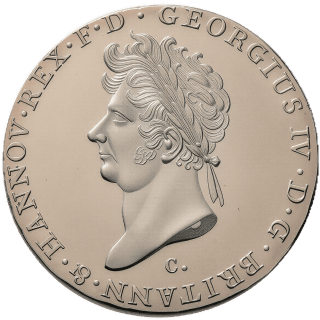 Obverse
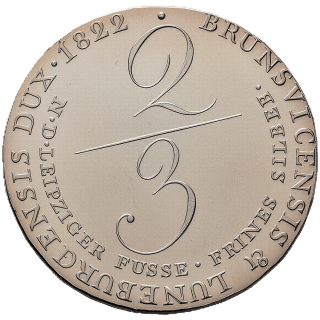 Reverse

ScanMyCoin: AI Coin Recognition
Professional AI coin recognition and collection management platform. Identify, learn, and track your coin collection with advanced AI technology and a vast.