

Hannover Hannover ½ groschen, 1858-1865
Description:
½ groschen Hannover ½ groschen, 1858-1865 coin from Hannover. Design, history & value.
Introduction
The Kingdom of Hannover issued the ½ groschen silver coin between 1858 and 1865, showcasing intricate designs and historical significance. This coin represents a fascinating era in German numismatics and is highly sought after by collectors worldwide.
Historical Background
During the mid-19th century, Hannover was a significant German kingdom with its own distinctive coinage system. The ½ groschen coin was part of the local currency that circulated in the region, reflecting the economic and political landscape of the time. The Kingdom of Hannover faced various challenges during this period, including political unrest and struggles for independence.
Coin Images
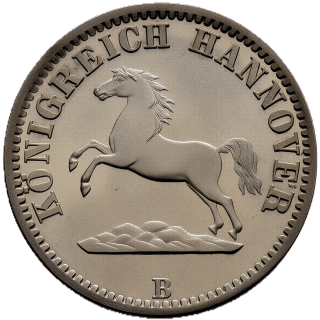 Obverse
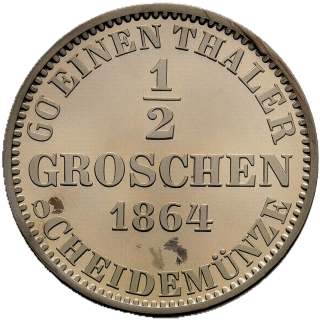 Reverse
Design Features
The obverse of the coin features the inscription "KÖNIGREICH HANNOVER," emphasizing the kingdom's sovereignty and royal heritage. On the reverse, the coin displays the denomination "1/2 GROSCHEN" along with the conversion rate "60 EINEN THALER" and the term "SCHEIDEMÜNZE," indicating its status as a circulating coin.
Technical Specifications
This silver coin weighs 1.12 grams and has a diameter of 14.90mm, making it a small yet significant piece of Hannoverian numismatics. With a silver content of 0.220, the coin reflects the standard composition of the era's currency. The precise minting process and quality control measures contribute to the coin's durability and aesthetic appeal.
Collectible Value
The Kingdom of Hannover ½ groschen coin holds considerable collectible value due to its historical significance and limited availability. Numismatists prize this coin for its connection to a specific period in German history and its unique design elements. Collectors often seek out well-preserved specimens to add to their collections, with rarer variations commanding higher prices in the market.
Conclusion
In conclusion, the Hannover ½ groschen silver coin from 1858-1865 stands as a testament to the Kingdom of Hannover's numismatic heritage and cultural identity. Its intricate design, historical context, and collectible value make it a prized possession for coin enthusiasts and historians alike. By exploring the details of this coin, one can delve into a fascinating chapter of German coinage history and appreciate the artistry of the Kingdom of Hannover's minting tradition.

ScanMyCoin: AI Coin Recognition
Professional AI coin recognition and collection management platform. Identify, learn, and track your coin collection with advanced AI technology and a vast.