

Greenland Greenland 10 öre, 1922
Description:
10 öre Greenland 10 öre, 1922 coin from Greenland. Design, history & value.
Introduction
The Greenland 10 öre 1922 coin holds a special place in the world of numismatics as a representation of Greenland's mining heritage. Issued in 1922 by Greenland itself, this coin is a remarkable piece that reflects the history and culture of this Arctic region.
Historical Background
During the early 20th century, Greenland saw a boom in mining activities, particularly in the extraction of cryolite - a rare mineral used in aluminum production. The coin was issued by the Ivigtut Cryolite Mining Company, highlighting the importance of this industry to Greenland's economy.
Coin Images
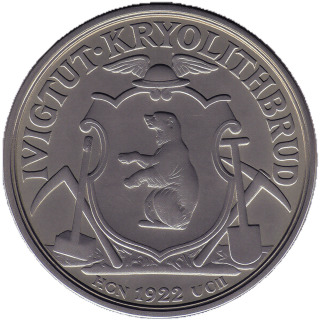 Obverse
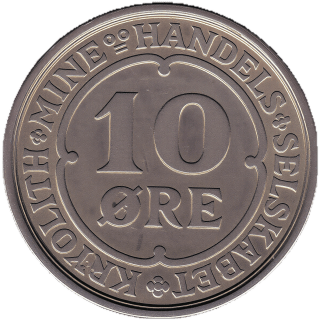 Reverse
Design Features
The obverse of the coin features the year "1922" and the inscription "IVIGTUT KRYOLITHBRÜD," paying homage to the cryolite mines in Ivigtut. On the reverse, the design showcases the "KRYOLITH MINE OG HANDELS SELSKABET," further emphasizing the connection to the cryolite mining and trading company.
Technical Specifications
This coin, made of copper-nickel, weighs 2.40g and has a diameter of 17.00mm. The choice of materials and the precise crafting of this coin make it a distinctive piece in terms of its composition and size.
Collectible Value
As a rare piece from the mining village tokens era (1873-1925), the Greenland 10 öre 1922 coin holds significant historical and collectible value. Its association with Greenland's mining industry adds to its appeal among collectors interested in unique and culturally significant coins.
Conclusion
In conclusion, the Greenland 10 öre 1922 copper-nickel coin stands out not only for its historical importance but also for its intricate design and connection to Greenland's mining heritage. Whether you are a seasoned collector or a history enthusiast, this coin offers a glimpse into a fascinating chapter of Greenland's past. By exploring the story behind this coin and understanding its significance, collectors and enthusiasts can appreciate the beauty and historical value that the Greenland 10 öre 1922 coin represents.

ScanMyCoin: AI Coin Recognition
Professional AI coin recognition and collection management platform. Identify, learn, and track your coin collection with advanced AI technology and a vast.