

Greenland Greenland 100 öre, ND (1875)
Description:
100 öre Greenland 100 öre, ND (1875) coin from Greenland. Design, history & value.
Introduction
The Greenland 100 öre coin of 1875 holds a special place in numismatic history as a rare and unique zinc mining village token. This coin offers a glimpse into Greenland's past and the mining industry that played a crucial role in its economy during the late 19th century.
Historical Background
Issued in 1875, this coin served as a form of currency within Greenland's mining villages, facilitating trade and transactions among the local populace. The mining industry was a significant driver of Greenland's economy during this period, making this coin a tangible representation of the region's economic activities.
Coin Images
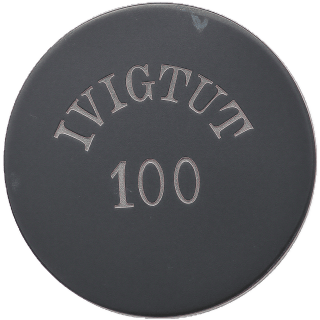 Obverse
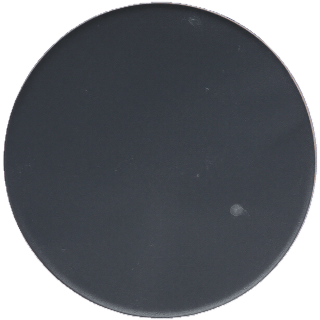 Reverse
Design Features
The obverse of the Greenland 100 öre coin features the numeral "100" prominently displayed, along with the inscription "IVIGTUT," likely representing the mining village or a local reference. The simplicity of the design reflects the practical nature of this token as a means of exchange within the mining community.
Technical Specifications
This coin has a diameter of 43.50mm and is composed of zinc, a material commonly used for token coinage due to its durability and affordability. The choice of zinc for this coin speaks to the practical considerations of minting coins for everyday use in a mining village setting.
Collectible Value
The Greenland 100 öre coin from 1875 holds significant collectible value among numismatists and coin collectors interested in tokens from mining communities. Its rarity and historical significance contribute to its appeal, making it a sought-after piece for those passionate about Greenland's numismatic history.
Conclusion
In conclusion, the Greenland 100 öre coin of 1875 stands as a testament to Greenland's mining heritage and the role of tokens in facilitating local economies. Its unique design, historical context, and collectible value make it a prized addition to any numismatic collection, offering a tangible connection to Greenland's past.

ScanMyCoin: AI Coin Recognition
Professional AI coin recognition and collection management platform. Identify, learn, and track your coin collection with advanced AI technology and a vast.