

Greece Greece 5 drachmas, 1930
Description:
5 drachmas Greece 5 drachmas, 1930 coin from Greece. Design, history & value.
Introduction
The Greece 5 drachmas 1930 coin holds a significant place in the numismatic world, representing a key era in Greek history. This nickel coin, minted in 1930 during the Second Hellenic Republic, showcases unique design elements and historical importance that make it a sought-after collectible among enthusiasts.
Historical Background
Issued by Greece, this coin was minted during a time of political transition in the country. The Second Hellenic Republic, spanning from 1924 to 1935, marked a period of significant social and economic reforms in Greece. The 5 drachmas coin of 1930 reflects the aspirations and changes of this era, making it a valuable historical artifact.
Coin Images
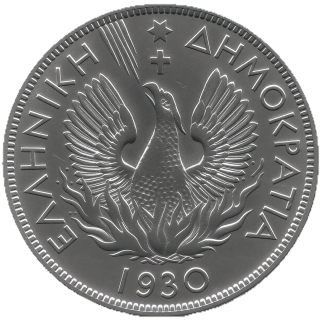 Obverse
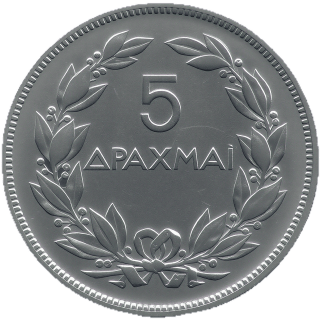 Reverse
Design Features
The obverse of the coin features the year "1930" and the inscription "ΕΛΛΗΝΙΚΗ ΔΗΜΟΚΡΑΤΙΑ" (Hellenic Republic), symbolizing the democratic ideals of the Second Hellenic Republic. On the reverse, the denomination "5 ΔΡΑΧΜΑΙ" is prominently displayed, surrounded by intricate design elements that showcase the artistic craftsmanship of the period.
Technical Specifications
This Greece 5 drachmas 1930 coin weighs 10.00 grams and has a diameter of 30.00mm, making it a substantial piece in terms of size. Crafted from nickel, it boasts a durable composition that has allowed it to stand the test of time, retaining its original beauty and detail.
Collectible Value
The Greece 5 drachmas 1930 coin holds both historical and collectible value. Due to its association with the Second Hellenic Republic and its unique design, this coin is highly sought after by collectors. Its rarity and historical significance contribute to its market value, making it a prized addition to any numismatic collection.
Conclusion
In conclusion, the Greece 5 drachmas 1930 coin represents a pivotal period in Greek history and numismatics. Its intricate design, historical significance, and collectible value make it a standout piece for enthusiasts and collectors alike. Owning this coin not only offers a piece of history but also a tangible connection to the cultural heritage of Greece during the Second Hellenic Republic.

ScanMyCoin: AI Coin Recognition
Professional AI coin recognition and collection management platform. Identify, learn, and track your coin collection with advanced AI technology and a vast.