

Greece Greece 20 lepta, 1954-1971
Description:
20 lepta Greece 20 lepta, 1954-1971 coin from Greece. Design, history & value.
Introduction
The Greece 20 lepta coin minted between 1954 and 1971 during the reign of King Constantine II holds a significant place in Greek numismatic history. This aluminium coin, with its distinct design, offers collectors a glimpse into a specific era of Greek coinage.
Historical Background
Issued by Greece, this coin reflects the period of King Constantine II's reign from 1966 to 1973. The coinage system in Greece underwent several changes during this time, making each coin a representation of the country's political and historical landscape.
Coin Images
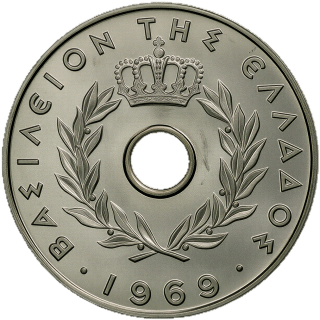 Obverse
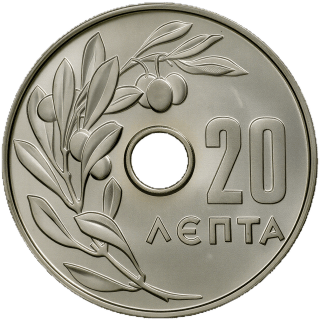 Reverse
Design Features
The obverse of the coin displays the inscription "ΒΑΣΙΛΕΙΟΝ ΤΗΣ ΕΛΛΑΔΟΣ" (Kingdom of Greece), encapsulating the regal essence of the era. On the reverse side, the coin features the numerical value "20 ΛΕΠΤΑ" (20 lepta). The simplicity of the design is characteristic of coins from this period, emphasizing functionality over intricate details.
Technical Specifications
This Greece 20 lepta coin weighs 1.20g with a diameter of 24.00mm, making it a relatively small and lightweight denomination. Crafted from aluminium, the coin showcases durability and resistance to corrosion, adding to its appeal among collectors.
Collectible Value
While the Greece 20 lepta coin may not command high monetary value, its historical significance and connection to King Constantine II make it a sought-after piece for numismatists. Collectors value this coin for its representation of a specific period in Greek history, contributing to its overall appeal in the numismatic community.
Conclusion
In conclusion, the Greece 20 lepta coin from the 1954-1971 period under King Constantine II's reign stands as a testament to Greece's numismatic heritage. Its simple yet elegant design, coupled with its historical context, makes it a valuable addition to any coin collection. Whether for its aesthetic charm or historical significance, this coin continues to captivate collectors worldwide.

ScanMyCoin: AI Coin Recognition
Professional AI coin recognition and collection management platform. Identify, learn, and track your coin collection with advanced AI technology and a vast.