

Germany (notgelds) Germany (notgelds) 2 pfennig, ND (1914)
Description:
2 pfennig Germany (notgelds) 2 pfennig, ND (1914) coin from Germany (notgelds). Design, history & value.
Introduction
The Germany Notgelds 2 Pfennig coin, minted in 1914, holds a significant place in the numismatic history of the Municipality of Laband. These emergency coins, known as Notgelds, served as a crucial means of exchange during times of economic instability.
Historical Background
Issued during the period of 1917 to 1923, the Germany Notgelds were introduced by various local authorities to combat the shortage of official currency. The Municipality of Laband, situated in Germany, issued these 2 Pfennig coins to facilitate local transactions and alleviate the effects of inflation.
Coin Images
 Obverse
 Reverse
Design Features
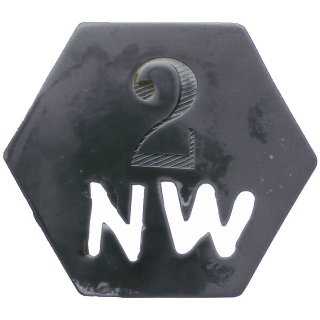
The obverse of the coin features the numeral "2" denoting its value, accompanied by the abbreviation "NW" representing the Municipality of Laband. The simplicity of the design reflects the utilitarian nature of these emergency coins, emphasizing their practical purpose over ornamental aesthetics.
Technical Specifications
Constructed from zinc, the Germany Notgelds 2 Pfennig coin weighs 2.60 grams and boasts a diameter of 21.50mm. These specifications align with the standard parameters of emergency coinage prevalent during the early 20th century.
Collectible Value
Due to their limited issuance and historical significance, Germany Notgelds coins, especially those from specific municipalities like Laband, have garnered attention from collectors worldwide. The rarity of these coins, coupled with their connection to a specific locality and time period, increases their desirability among numismatists.
Conclusion
In conclusion, the Germany Notgelds 2 Pfennig coin from 1914 stands as a testament to the innovative solutions adopted by local authorities to address economic challenges. Its utilitarian design, historical context, and collectible value make it a prized addition to any numismatic collection, offering a glimpse into a bygone era of emergency coinage and municipal currency circulation.

ScanMyCoin: AI Coin Recognition
Professional AI coin recognition and collection management platform. Identify, learn, and track your coin collection with advanced AI technology and a vast.