

Germany (notgelds) Germany (notgelds) 25 pfennig, 1918
Posted on: December 2, 2025
keywords: Germany (notgelds), Germany (notgelds) 25 pfennig, 1918, 25 pfennig, coin collecting, numismatics, Germany (notgelds)
Description:
25 pfennig Germany (notgelds) 25 pfennig, 1918 coin from Germany (notgelds). Design, history & value.
- Introduction: The Germany Notgelds 25 Pfennig 1918 coin holds a significant place in the numismatic history of Germany. Issued during a time of economic turmoil, these coins served as emergency currency in the districts of Bochum, Gelsenkirchen, and Hattingen from 1917 to 1922.
- Historical Background: Amidst the chaos of World War I, local authorities in various German districts issued Notgelds, emergency money, to alleviate the shortage of official currency. The 25 Pfennig coin from 1918 reflects the economic challenges and local initiatives during this period.
- Design Features: The obverse of the coin features inscriptions of "BOCHUM-STADT u.LAND GELSENKIRCHENLAND HATTINGENKREIS," representing the issuing districts. The reverse side displays the year "1918," denomination "25 PFENNIG," and "KRIEGSGELD" (war money) to signify its emergency nature.
- Technical Specifications: This coin is made of iron, weighing 3.50g with a diameter of 21.40mm. The use of iron, a common wartime substitute for more precious metals, adds to the historical context of the coin.
- Collectible Value: The Germany Notgelds 25 Pfennig 1918 coin holds both historical and numismatic value. Collectors are drawn to its unique design and historical significance, making it a sought-after piece in numismatic circles. Due to its limited issuance and historical importance, this coin is considered a rare find among collectors.
- Conclusion: In conclusion, the Germany Notgelds 25 Pfennig 1918 coin stands as a testament to the ingenuity and resilience of local communities during times of crisis. Its historical significance, coupled with its unique design and material, makes it a prized addition to any coin collection, reflecting a chapter of Germany's economic history that is both intriguing and valuable.
Coin Images
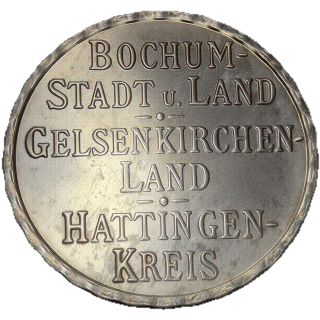 Obverse
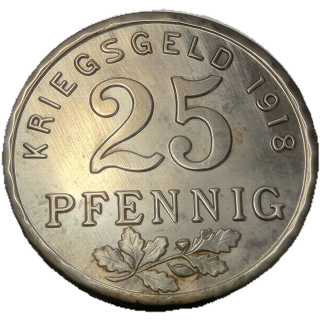 Reverse

ScanMyCoin: AI Coin Recognition
Professional AI coin recognition and collection management platform. Identify, learn, and track your coin collection with advanced AI technology and a vast.