

Germany (notgelds) Germany (notgelds) 1 pfennig, ND (1917)
Description:
1 pfennig Germany (notgelds) 1 pfennig, ND (1917) coin from Germany (notgelds). Design, history & value.
Introduction
The Germany Notgelds 1 Pfennig coin from 1917, minted during a period of economic turmoil, holds significant historical value and numismatic interest. This zinc coinage, specifically issued by the City of Ulm, showcases a blend of necessity and creativity during challenging times.
Historical Background
Notgelds, emergency money issued by various entities in Germany during and after World War I, aimed to address the shortage of official currency. The City of Ulm, a notable issuer, produced these unique coins between 1917 and 1923. The 1 Pfennig denomination reflects the daily transactions and economic struggles faced by the populace.
Coin Images
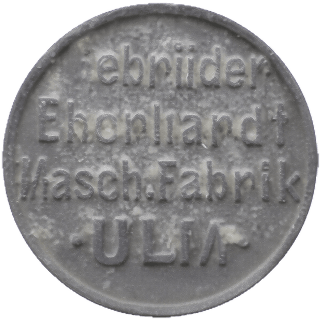 Obverse
 Reverse
Design Features
The obverse of the Germany Notgelds 1 Pfennig coin features the inscription "GEBRÜDER EBERHARDT MASCH. FABRIK / ULM," highlighting the Eberhardt Machine Factory in Ulm. The reverse simply displays the numeral "1," emphasizing the coin's face value. These simplistic yet informative designs offer a glimpse into the industrial landscape of Ulm during that period.
Technical Specifications
This zinc coin weighs 0.80g and has a diameter of 14.10mm, making it a lightweight yet durable piece of emergency currency. The composition of zinc speaks to the scarcity of traditional metals during the war era, showcasing the adaptability of coinage production under adverse conditions.
Collectible Value
Though notgelds were primarily utilitarian, they hold immense value in numismatic circles today. The Germany Notgelds 1 Pfennig coin, particularly from the City of Ulm, is sought after by collectors for its historical context, scarcity, and unique designs. Its market value is influenced by factors such as condition, rarity, and demand among enthusiasts.
Conclusion
In conclusion, the Germany Notgelds 1 Pfennig coin stands as a testament to innovation and resilience in times of crisis. Its blend of historical significance, intricate designs, and scarcity make it a prized addition to any coin collection. Understanding the story behind this coin not only enriches numismatic knowledge but also preserves a crucial chapter in Germany's economic history.

ScanMyCoin: AI Coin Recognition
Professional AI coin recognition and collection management platform. Identify, learn, and track your coin collection with advanced AI technology and a vast.