

Germany Germany 50 rentenpfennig, 1923-1924
Description:
50 rentenpfennig Germany 50 rentenpfennig, 1923-1924 coin from Germany. Design, history & value.
Title: Germany 50 Rentenpfennig 1923-1924 Coin - Historical Overview and Collecting Significance Description: Explore the unique features and collectible value of the Germany 50 Rentenpfennig coin from 1923-1924. Keywords: Germany, 50 Rentenpfennig, Weimar Republic, Rentenmark, coin, numismatics, collectible, aluminium-bronze Main Content:
Introduction
The Germany 50 Rentenpfennig coin minted between 1923 and 1924 during the Weimar Republic era holds significant historical and numismatic value. This coin reflects the economic turmoil and hyperinflation that plagued Germany after World War I, making it a fascinating piece for collectors and historians alike.
Historical Background
Issued by Germany under the authority of the Weimar Republic, the 50 Rentenpfennig coin was part of the currency reform efforts to stabilize the German economy. The Rentenmark system, introduced in 1923, aimed to restore confidence in the currency after the devastating hyperinflation period.
Coin Images
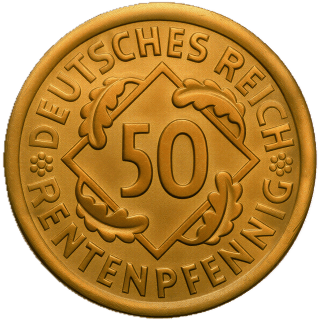 Obverse
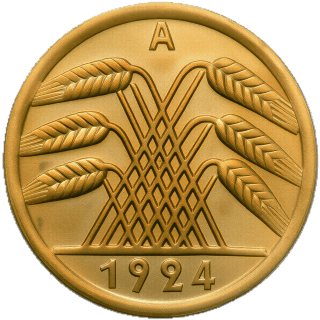 Reverse
Design Features
The obverse of the coin features the inscription "50 RENTENPFENNIG" above "DEUTSCHES REICH," highlighting its denomination and country of origin. On the reverse, the design depicts ears, symbolizing agricultural wealth and productivity. The simplicity of the design reflects the economic challenges and focus on stability during that period.
Technical Specifications
This coin is composed of aluminium-bronze, weighing 5.17 grams with a diameter of 24.00mm. The choice of material and specifications was influenced by the economic constraints of the time, showcasing the resourcefulness of the authorities in producing a stable currency.
Collectible Value
Due to its historical significance and limited mintage period, the Germany 50 Rentenpfennig coin is highly sought after by collectors. Its connection to the Weimar Republic era and the economic reforms of the time adds to its appeal. The rarity of well-preserved specimens further enhances its collectible value. In the numismatic market, this coin commands attention for its historical context and design simplicity. Collectors interested in German coins, Weimar Republic currency, or pieces from the interwar period often seek out the 50 Rentenpfennig for their collections. Its value extends beyond monetary worth to become a tangible link to a crucial chapter in German history.
Conclusion
The Germany 50 Rentenpfennig coin from 1923-1924 stands as a testament to Germany's resilience in the face of economic adversity. Its historical significance, unique design, and collectible value make it a prized addition to any numismatist's collection. By owning this coin, collectors acquire not just a piece of currency but a piece of history that continues to intrigue and inspire to this day.

ScanMyCoin: AI Coin Recognition
Professional AI coin recognition and collection management platform. Identify, learn, and track your coin collection with advanced AI technology and a vast.