

Germany Germany 50 pfennig, 1875-1877
Description:
50 pfennig Germany 50 pfennig, 1875-1877 coin from Germany. Design, history & value.
Introduction
The Germany 50 Pfennig coin, minted from 1875 to 1877 during the German Empire era, stands as a remarkable piece of numismatic history. This silver coin not only symbolizes the economic and political changes of the time but also reflects the skilled craftsmanship of the period.
Historical Background
Authorized by the German Empire, these 50 Pfennig coins were a part of the monetary system established to standardize currency across the newly unified German states. This unification was a pivotal moment in European history, marking the rise of Germany as a major power on the continent.
Design Features
The obverse of the coin features a majestic eagle, a prominent symbol of heraldry often associated with Germanic states. On the reverse, the denomination "50 PFENNIG" is inscribed above "DEUTSCHES REICH," denoting the German Empire.
Technical Specifications
Crafted from 90% silver, the Germany 50 Pfennig coin weighs 2.78g and has a diameter of 20.00mm. The precise specifications of this coin showcase the attention to detail in its minting process, making it a sought-after piece among collectors.
Collectible Value
Due to its historical significance and limited mintage period, the Germany 50 Pfennig coin holds a notable place in numismatic collections. Collectors value this coin not only for its rarity but also for its representation of a crucial period in German history. The market value of these coins can vary based on their condition and the prevailing demand among enthusiasts.
Conclusion
In conclusion, the Germany 50 Pfennig 1875-1877 silver coin encapsulates a significant era in German numismatic history. Its intricate design, historical importance, and collectible value make it a prized possession for both seasoned collectors and history enthusiasts alike. Owning this coin is not just owning a piece of silver but a tangible link to the past, offering a glimpse into the rich heritage of the German Empire.
Coin Images
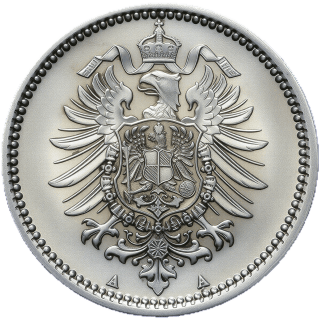 Obverse
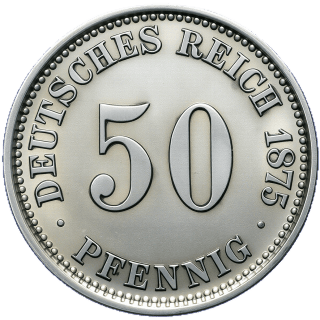 Reverse

ScanMyCoin: AI Coin Recognition
Professional AI coin recognition and collection management platform. Identify, learn, and track your coin collection with advanced AI technology and a vast.