

Germany Germany 2 pfennig, 1904-1916
Posted on: December 2, 2025
keywords: Germany, Germany 2 pfennig, 1904-1916, 2 pfennig, coin collecting, numismatics, Germany
Description:
2 pfennig Germany 2 pfennig, 1904-1916 coin from Germany. Design, history & value.
- Introduction: The Germany 2 pfennig coin, minted between 1904 and 1916 during the German Empire era, holds a significant place in numismatic history. With its copper composition and intricate designs, this coin is a fascinating piece for collectors and history enthusiasts alike.
- Historical Background: Issued by Germany, the 2 pfennig coin was part of the currency system used during the German Empire period from 1871 to 1922. These coins played a crucial role in everyday transactions and reflected the economic and political landscape of the time.
- Design Features: The obverse of the coin features a portrait of Germania, a female personification of Germany, designed by Otto Schultz. The reverse side showcases the facial value "2 PFENNIG" above the inscription "DEUTSCHES REICH," emphasizing the coin's origin.
- Technical Specifications: This 2 pfennig coin weighs 3.25 grams and has a diameter of 20.00mm. Crafted from copper, it bears the mark of quality and durability typical of coins from this era.
- Collectible Value: Due to its historical significance and limited mintage period, the Germany 2 pfennig coin is highly sought after by collectors. Its value may vary based on factors such as condition, rarity, and collector demand. Numismatists appreciate these coins for their cultural significance and artistic value.
- Conclusion: In conclusion, the Germany 2 pfennig coin from 1904 to 1916 stands as a testament to the rich history of the German Empire and the artistry of coin design during that era. Whether for its collectible value or historical importance, this coin remains a prized possession for numismatists worldwide. By exploring the intricacies of this copper coin, collectors and enthusiasts alike can delve into a piece of history that symbolizes the economic and cultural landscape of early 20th-century Germany.
Coin Images
 Obverse
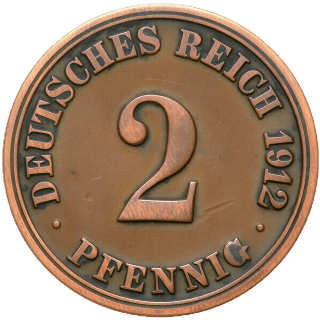 Reverse

ScanMyCoin: AI Coin Recognition
Professional AI coin recognition and collection management platform. Identify, learn, and track your coin collection with advanced AI technology and a vast.