

Germany Germany 1 pfennig, 1950-2001
Description:
1 pfennig Germany 1 pfennig, 1950-2001 coin from Germany. Design, history & value.
Introduction
The Germany 1 Pfennig coin, minted from 1950 to 2001, holds a significant place in numismatic history. This humble denomination encapsulates the economic evolution and cultural heritage of post-World War II Germany.
Historical Background
Issued by the Federal Republic of Germany, the 1 Pfennig coin symbolizes the country's transition from a war-torn nation to an economic powerhouse. The coin's circulation spanned over five decades, witnessing Germany's reunification in 1990.
Coin Images
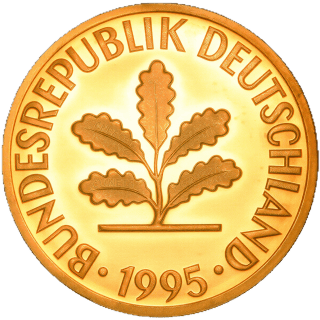 Obverse
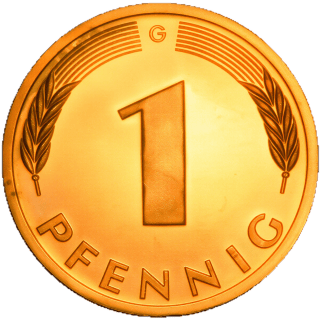 Reverse
Design Features
The obverse of the Germany 1 Pfennig coin features the inscription "BUNDESREPUBLIK DEUTSCHLAND," encapsulating the spirit of the Federal Republic. On the reverse, the denomination "1 PFENNIG" is prominently displayed, emphasizing the coin's face value.
Technical Specifications
Crafted from copper-plated steel, the Germany 1 Pfennig coin weighs 2.00g and boasts a diameter of 16.50mm. The utilization of copper-plated steel ensured durability while maintaining cost-effectiveness in production.
Collectible Value
Despite its modest denomination, the Germany 1 Pfennig coin holds considerable collectible value among numismatists. Its historical significance, coupled with the limited minting period, contributes to its desirability. Collectors often seek well-preserved specimens to add to their collections.
Conclusion
In conclusion, the Germany 1 Pfennig coin serves as a tangible link to the economic and social history of post-World War II Germany. Its enduring legacy, coupled with its unique design and historical context, makes it a prized possession for both novice and seasoned collectors alike. By delving into the nuances of the Germany 1 Pfennig coin, enthusiasts can appreciate the craftsmanship, historical significance, and collectible allure of this iconic piece of numismatic history.

ScanMyCoin: AI Coin Recognition
Professional AI coin recognition and collection management platform. Identify, learn, and track your coin collection with advanced AI technology and a vast.