

Germany Germany 10 pfennig, 1950-2001
Description:
10 pfennig Germany 10 pfennig, 1950-2001 coin from Germany. Design, history & value.
Introduction
The Germany 10 Pfennig coin minted between 1950 and 2001 holds a significant place in numismatic history. With its distinctive brass plated steel composition and intricate designs, this coin is a favorite among collectors and enthusiasts alike.
Historical Background
Issued by the Federal Republic of Germany, the 10 Pfennig coin was part of the country's currency system during the latter half of the 20th century. The coin symbolizes Germany's economic recovery and transition post-World War II, making it a poignant piece of history.
Coin Images
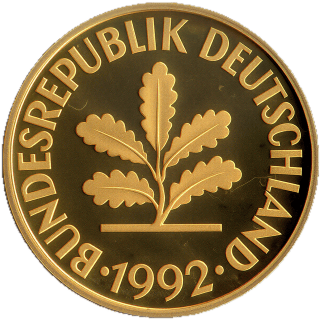 Obverse
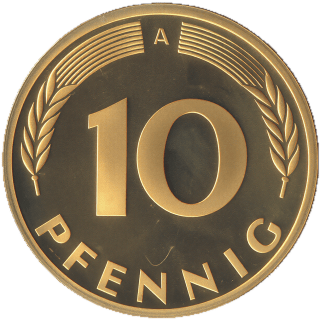 Reverse
Design Features
The obverse of the coin features the inscription "BUNDESREPUBLIK DEUTSCHLAND," encircling an emblem or symbolic figure. On the reverse side, the coin displays the numerical value "10 PFENNIG," set against a backdrop that may vary depending on the year of minting.
Technical Specifications
Weighing 4.00g and measuring 21.50mm in diameter, the Germany 10 Pfennig coin is composed of brass plated steel, which gives it a unique appearance and durability. These technical specifications contribute to its distinct feel and aesthetic appeal.
Collectible Value
Due to its limited mintage period and unique composition, the Germany 10 Pfennig coin has garnered attention from collectors worldwide. Its market value fluctuates based on factors such as rarity, condition, and demand within the numismatic community. Collectors often seek out specific years or variations of this coin to add to their collections, making it a sought-after piece in the numismatic world.
Conclusion
In conclusion, the Germany 10 Pfennig coin from 1950 to 2001 stands as a testament to Germany's economic resilience and numismatic craftsmanship. With its brass plated steel composition, intricate designs, and historical significance, this coin appeals to both collectors and enthusiasts looking to own a piece of German numismatic history. Its value extends beyond monetary worth, encapsulating a rich narrative of a nation's journey through post-war reconstruction and economic stability.

ScanMyCoin: AI Coin Recognition
Professional AI coin recognition and collection management platform. Identify, learn, and track your coin collection with advanced AI technology and a vast.