
German New Guinea German New Guinea 10 mark, 1895
Description:
10 mark German New Guinea 10 mark, 1895 coin from German New Guinea. Design, history & value.
Introduction
The German New Guinea 10 mark coin of 1895 stands as a testament to the colonial influences of the late 19th century. With its intricate design and historical significance, this gold coin holds a special place in numismatic history.
Historical Background
Issued by German New Guinea, a German colony from 1885 to 1915, this coin reflects the expansionist policies of the German Empire during the colonial era. The establishment of the German New Guinea Company aimed to exploit the region's resources, leading to the creation of this unique denomination in 1895.
Coin Images
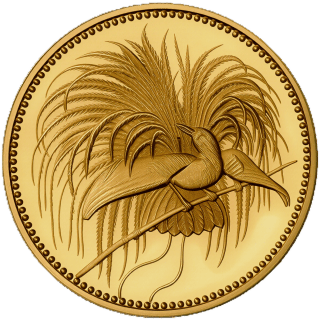 Obverse
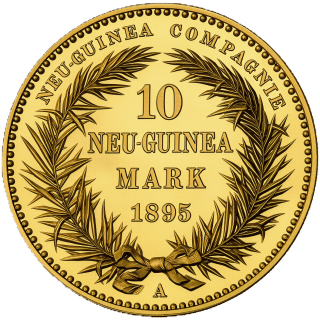 Reverse
Design Features
The obverse of the coin, designed by Otto Schultz, showcases a portrait of the German Emperor. The reverse features the denomination "10 NEU-GUINEA MARK" encircled by the inscription "NEU-GUINEA COMPAGNIE," highlighting the colonial influence of the German administration in the region.
Technical Specifications
Crafted from 90% gold, this coin weighs 3.98g and has a diameter of 19.50mm. The precise specifications reflect the attention to detail and craftsmanship of the minting process during that period.
Collectible Value
Due to its historical significance and limited mintage, the German New Guinea 10 mark 1895 gold coin holds considerable collectible value. Numismatists and collectors covet this rare piece for its unique design, historical context, and scarcity in the market. The coin's condition, rarity, and demand among collectors significantly influence its market value.
Conclusion
In conclusion, the German New Guinea 10 mark 1895 gold coin represents a fascinating blend of history, artistry, and numismatic value. Its association with the colonial past of German New Guinea adds to its allure for collectors and enthusiasts alike. Owning this coin not only provides a tangible connection to a bygone era but also showcases the rich cultural and historical tapestry of the numismatic world.

ScanMyCoin: AI Coin Recognition
Professional AI coin recognition and collection management platform. Identify, learn, and track your coin collection with advanced AI technology and a vast.