

German Empire German Empire 5 mark, 1891
Description:
5 mark German Empire 5 mark, 1891 coin from German Empire. Design, history & value.
Introduction
The German Empire 5 mark 1891 coin, minted in the region of Hesse, holds a significant place in numismatic history. This silver coin embodies the grandeur of the German Empire and the cultural richness of the Hessian state, making it a prized possession for collectors worldwide.
Historical Background
Issued under the authority of the German Empire, this 5 mark coin of 1891 reflects the period of rapid industrialization and political consolidation in Germany. The coinage system of the German Empire aimed to standardize currency across the newly unified states, showcasing the economic prowess of the nation.
Coin Images
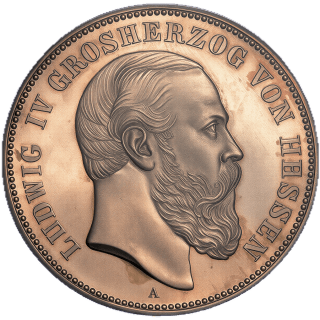 Obverse
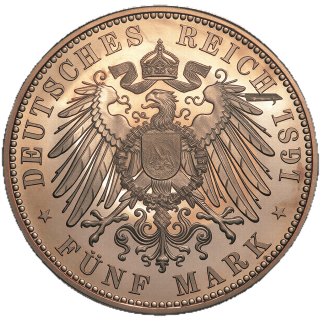 Reverse
Design Features
The obverse of the coin features a portrait of Ludwig IV, the Grand Duke of Hesse, with the inscription "A / LUDWIG IV GROSHERZOG VON HESSEN." On the reverse, the year "1891" is inscribed above "DEUTSCHES REICH" and "FÜNF MARK," symbolizing the coin's denomination and German imperial authority.
Technical Specifications
This 5 mark coin is composed of 90% silver, weighing 27.77 grams with a diameter of 38.00mm. The intricate design details and the substantial weight of the coin add to its aesthetic appeal and historical significance.
Collectible Value
The German Empire 5 mark 1891 coin holds both historical and collectible value. Its association with the German Empire and the specific region of Hesse makes it a sought-after piece among numismatists. The coin's rarity, coupled with its silver content, contributes to its market value and desirability among collectors.
Conclusion
In conclusion, the German Empire 5 mark 1891 coin stands as a testament to the political and economic landscape of the era. Its exquisite design, historical significance, and collectible value make it a prized addition to any numismatic collection. Owning this piece of history not only showcases the beauty of German coinage but also preserves a tangible link to the rich heritage of the German Empire and the state of Hesse.

ScanMyCoin: AI Coin Recognition
Professional AI coin recognition and collection management platform. Identify, learn, and track your coin collection with advanced AI technology and a vast.