

German Empire German Empire 20 mark, 1895
Description:
20 mark German Empire 20 mark, 1895 coin from German Empire. Design, history & value.
1. Introduction
The German Empire 20 mark coin of 1895, minted under the reign of Saxe-Coburg and Gotha, is a numismatic treasure revered for its historical significance and exquisite design. This gold coin holds a special place in the hearts of collectors due to its rarity and unique features.
2. Historical Background
Issued by the German Empire in 1895, this 20 mark coin was part of the currency system during the Saxe-Coburg and Gotha era (1871 - 1918). The coinage from this period reflects the rich history and political landscape of the time, making it a sought-after piece for collectors and historians alike.
3. Design Features
The obverse of the coin features the portrait of Alfred Herzog von Sachsen-Coburg und Gotha, surrounded by intricate detailing. On the reverse side, the year "1895" is inscribed above the nominal value "20 MARK" and the legend "DEUTSCHES REICH." The design exudes elegance and craftsmanship typical of coins from this era.
4. Technical Specifications
This 20 mark coin is composed of 90% gold, with a weight of 7.97 grams and a diameter of 22.00mm. The high gold content adds to its intrinsic value and allure among collectors who appreciate fine metal composition in their numismatic pieces.
5. Collectible Value
The German Empire 20 mark 1895 gold coin holds significant collectible value due to its historical importance, limited mintage, and exquisite design. Its rarity and desirability make it a prized possession for both seasoned numismatists and beginners looking to enhance their collection with a piece of history.
6. Conclusion
In conclusion, the German Empire 20 mark 1895 gold coin from Saxe-Coburg and Gotha stands as a testament to the artistry and history of the era. Its unique design, historical significance, and precious metal composition make it a valuable addition to any collection. Owning this coin not only offers a glimpse into the past but also a tangible piece of numismatic heritage that is sure to appreciate in value over time.
Coin Images
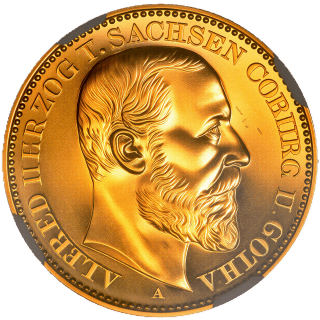 Obverse
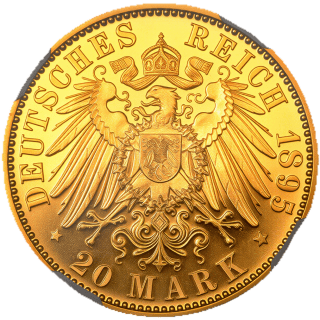 Reverse

ScanMyCoin: AI Coin Recognition
Professional AI coin recognition and collection management platform. Identify, learn, and track your coin collection with advanced AI technology and a vast.