

German Empire German Empire 20 mark, 1872-1873
Description:
20 mark German Empire 20 mark, 1872-1873 coin from German Empire. Design, history & value.
1. Introduction
The German Empire 20 mark gold coin minted between 1872 and 1873 during the reign of Ludwig II of Bavaria holds a significant place in numismatic history. Known for its intricate design and historical importance, this coin attracts collectors worldwide.
2. Historical Background
Issued by the German Empire, this coin reflects the unification of Germany under Emperor Wilhelm I. Bavaria, a prominent state in the German Empire, had its own coinage system until it joined the Empire in 1871. The introduction of the 20 mark denomination signaled a new era for Bavarian currency.
3. Design Features
The obverse of the coin features a portrait of Ludwig II, the King of Bavaria, with the inscription "LUDWIG II KŒNIG V. BAYERN." The reverse side showcases the facial value "20 M." with the inscription "DEUTSCHES REICH," symbolizing the German Empire.
4. Technical Specifications
Crafted from 90% gold, this coin weighs 7.97 grams with a diameter of 22.00mm. The use of high gold content adds to its allure and value among collectors. The precise specifications make it a desirable piece for both numismatists and investors.
5. Collectible Value
The German Empire 20 mark gold coin from 1872-1873 holds significant collectible value. Due to its historical significance, limited mintage, and gold composition, this coin is sought after by collectors globally. Its rarity and quality contribute to its market value, making it a prized possession for numismatists.
6. Conclusion
In conclusion, the German Empire 20 mark gold coin from 1872-1873, featuring Bavaria, stands as a testament to Germany's rich numismatic history. With its exquisite design, historical relevance, and collectible value, this coin remains a valuable addition to any collection. Its blend of artistry and historical significance makes it a cherished piece for both collectors and enthusiasts alike.
Coin Images
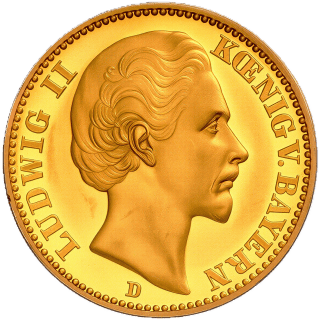 Obverse
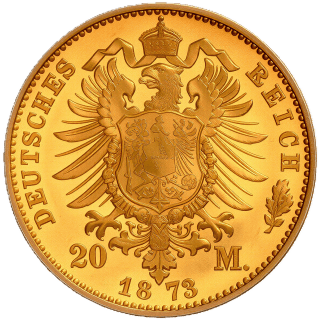 Reverse

ScanMyCoin: AI Coin Recognition
Professional AI coin recognition and collection management platform. Identify, learn, and track your coin collection with advanced AI technology and a vast.