

German Empire German Empire 10 mark, 1872-1873
Posted on: December 2, 2025
keywords: German Empire, German Empire 10 mark, 1872-1873, 10 mark, coin collecting, numismatics, German Empire
Description:
10 mark German Empire 10 mark, 1872-1873 coin from German Empire. Design, history & value.
- Introduction The German Empire 10 mark gold coin minted between 1872 and 1873 during the reign of Ludwig II of Bavaria holds a significant place in numismatic history. Known for its striking design and historical importance, this coin attracts collectors and enthusiasts alike.
- Historical Background Issued under the German Empire, this coin reflects the unity of the German states during the late 19th century. The period saw a transition towards a more centralized and unified German nation, with Bavaria playing a crucial role in this evolution.
- Design Features The obverse of the coin showcases a portrait of Ludwig II, the King of Bavaria, with the inscription "D / LUDWIG II KŒNIG V. BAYERN". The reverse features the facial value "10 M." and the inscription "DEUTSCHES REICH," symbolizing the coin's connection to the German Empire.
- Technical Specifications This 10 mark gold coin weighs 3.98g and has a diameter of 19.50mm. With a gold fineness of 0.900, this coin represents a blend of artistic craftsmanship and monetary value, making it a prized addition to any collection.
- Collectible Value Due to its historical significance and limited mintage, the German Empire 10 mark gold coin from 1872-1873 holds both numismatic and historical value. Collectors often seek out this coin for its rarity and connection to a pivotal period in German history, which can influence its market value.
- Conclusion In conclusion, the German Empire 10 mark gold coin from 1872-1873 stands as a testament to the political and numismatic evolution of the German Empire. Its intricate design, historical context, and collectible value make it a sought-after piece for both collectors and history enthusiasts, preserving a piece of Germany's past within its metallic sheen.
Coin Images
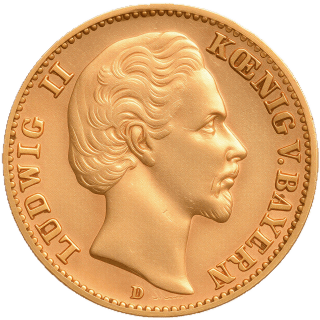 Obverse
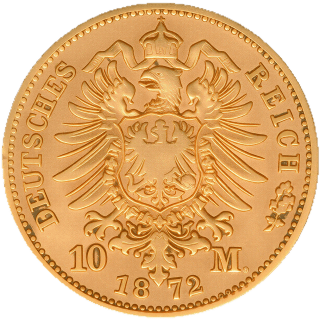 Reverse

ScanMyCoin: AI Coin Recognition
Professional AI coin recognition and collection management platform. Identify, learn, and track your coin collection with advanced AI technology and a vast.