
German East Africa German East Africa 1 rupie, 1890-1902
Description:
1 rupie German East Africa 1 rupie, 1890-1902 coin from German East Africa. Design, history & value.
Title: German East Africa 1 Rupie 1890-1902 Silver Coin - History and Collectible Value Description: Explore the German East Africa 1 Rupie coin issued between 1890-1902, featuring Emperor Guilelmus II. Discover its historical significance and collectible value. Keywords: German East Africa, 1 Rupie, 1890-1902, Silver coin, Emperor Guilelmus II, Collectible value, Numismatic history Main Content:
Introduction
The German East Africa 1 Rupie coin holds a special place in the world of numismatics due to its historical significance and unique design features. Minted between 1890 and 1902, this silver coin bears the image of Emperor Guilelmus II and reflects the colonial era of German East Africa.
Historical Background
Issued by German East Africa, this coin was part of the currency system during the late 19th and early 20th centuries. German East Africa, a territory in East Africa under German colonial rule, utilized the Rupie as a denomination for trade and commerce within the region.
Coin Images
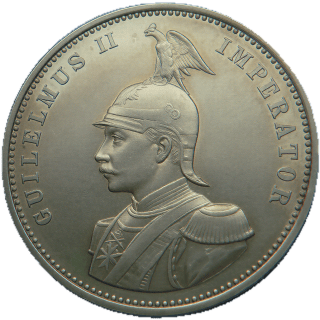 Obverse
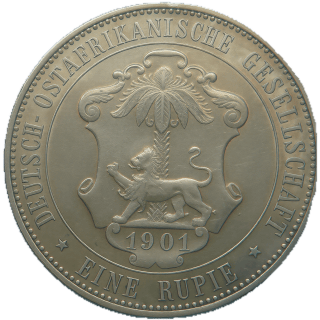 Reverse
Design Features
The obverse of the coin showcases the inscription "GUILELMUS II IMPERATOR," depicting the profile of Emperor Guilelmus II in regal attire. On the reverse side, the coin features the inscription "DEUTSCH - OSTAFRIKANISCHE GESELLSCHAFT / EINE RUPEE" encapsulated within a decorative border, symbolizing the German East Africa Company and the denomination value of one Rupie.
Technical Specifications
This silver coin has a purity of 0.917 and weighs 11.66 grams with a diameter of 30.00mm. The meticulous craftsmanship and attention to detail in its design make it a prized possession among collectors and enthusiasts of German colonial coinage.
Collectible Value
The German East Africa 1 Rupie coin is highly sought after by collectors due to its historical significance and limited availability. Its connection to the colonial past of East Africa adds to its allure, making it a valuable addition to any numismatic collection. The rarity of this coin further enhances its collectible value, with well-preserved specimens commanding significant prices in the market.
Conclusion
In conclusion, the German East Africa 1 Rupie coin from 1890 to 1902 stands as a testament to a bygone era of colonial history and numismatic artistry. Its exquisite design, historical importance, and collectible value make it a prized possession for collectors interested in the legacy of German East Africa and the numismatic heritage of the region. By delving into the world of German East Africa's colonial coinage through the lens of the 1 Rupie coin, enthusiasts can uncover a wealth of history and culture encapsulated within this small yet significant piece of numismatic art.

ScanMyCoin: AI Coin Recognition
Professional AI coin recognition and collection management platform. Identify, learn, and track your coin collection with advanced AI technology and a vast.