
Gambia Gambia 1 butut, 1971-1974
Description:
1 butut Gambia 1 butut, 1971-1974 coin from Gambia. Design, history & value.
1. Introduction
The Gambia 1 butut coin, minted between 1971 and 1974, holds significant historical and numismatic value. As part of the Republic of the Gambia's coinage, this bronze coin symbolizes the country's journey and heritage.
2. Historical Background
The Gambia, a West African country, gained independence from British colonial rule in 1965. The issuance of the 1 butut coin in 1971 marked a crucial period in the nation's history, reflecting its sovereignty and transition to a republic in 1970.
3. Design Features
The obverse of the coin features the inscription "REPUBLIC OF THE GAMBIA," emphasizing the country's identity. On the reverse, the denomination "1 BUTUT" is displayed alongside the Arabic script "بتوت," adding a cultural touch to the design.
4. Technical Specifications
- Denomination: 1 butut
- Country/Issuer: Gambia
- Composition: Bronze
- Weight: 1.80g
- Diameter: 17.15mm
5. Collectible Value
The Gambia 1 butut coin appeals to collectors due to its historical significance and limited mintage period. Its bronze composition adds to its durability and aesthetic appeal. While the coin may not have a high monetary value, its numismatic worth lies in its representation of Gambian history and culture.
6. Conclusion
In conclusion, the Gambia 1 butut coin serves as a testament to the Republic of the Gambia's early coinage and national identity. Collectors value this coin for its historical context, unique design, and cultural significance. Owning a piece of Gambia's numismatic history in the form of the 1 butut coin is a connection to the country's past and a cherished item in any collection. By exploring the history, design, and collectible value of the Gambia 1 butut coin, one can appreciate its role in numismatics and its representation of a nation's heritage.
Coin Images
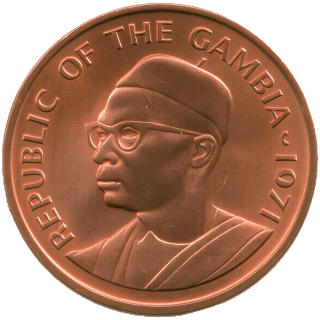 Obverse
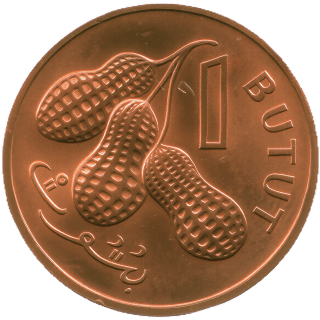 Reverse

ScanMyCoin: AI Coin Recognition
Professional AI coin recognition and collection management platform. Identify, learn, and track your coin collection with advanced AI technology and a vast.