

Fribourg Fribourg 1 schilling, 1713-1714
Description:
1 schilling Fribourg 1 schilling, 1713-1714 coin from Fribourg. Design, history & value.
Introduction
The Fribourg 1 schilling coin minted between 1713-1714 in Fribourg holds a significant place in numismatic history. This silver coin not only showcases exquisite craftsmanship but also offers a glimpse into the political and economic landscape of the city during that era.
Historical Background
Issued by the authorities of Fribourg, this coin was part of the currency system in the City of Fribourg between 1708 and 1798. The 1 schilling denomination was crucial for daily transactions and trade, reflecting the economic vitality of the region.
Coin Images
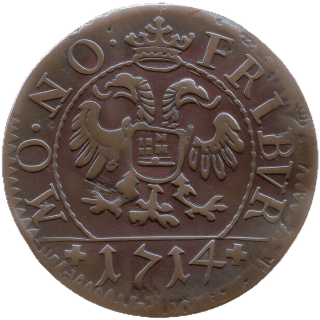 Obverse
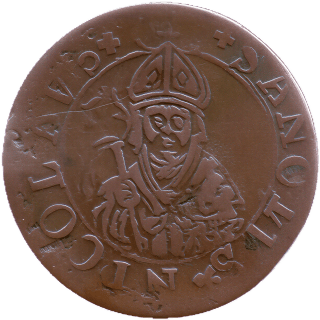 Reverse
Design Features
The obverse of the coin features detailed engravings of people, possibly representing the citizens of Fribourg engaged in daily activities. On the reverse side, the prominent display of the coat of arms symbolizes the city's pride and heritage. The intricate designs on this coin make it a true masterpiece of numismatic artistry.
Technical Specifications
This Fribourg 1 schilling coin is crafted from silver, specifically billon, a type of alloy with a lower silver content. It typically measures [insert size information] and weighs around [insert weight information]. The composition and minting techniques used in creating this coin add to its historical value.
Collectible Value
Due to its historical significance and limited mintage period, the Fribourg 1 schilling coin from 1713-1714 holds a high collectible value among numismatists. Its rarity and unique design elements make it a coveted piece for coin collectors seeking to enrich their collections. In the numismatic market, this coin commands attention for its scarcity and cultural importance.
Conclusion
In conclusion, the Fribourg 1 schilling 1713-1714 silver coin stands as a remarkable testament to the artistry and history of Fribourg. Its intricate designs, historical background, and collectible value make it a prized possession for both seasoned collectors and enthusiasts delving into the world of numismatics. Acquiring this coin not only adds a valuable piece to a collection but also preserves a slice of Fribourg's rich heritage for generations to come.

ScanMyCoin: AI Coin Recognition
Professional AI coin recognition and collection management platform. Identify, learn, and track your coin collection with advanced AI technology and a vast.