

French Indochina French Indochina 1 piastre, 1885-1895
Description:
1 piastre French Indochina 1 piastre, 1885-1895 coin from French Indochina. Design, history & value.
Introduction
The French Indochina 1 piastre coin minted between 1885 and 1895 holds a significant place in numismatic history. Its exquisite design and historical context make it a sought-after collectible among coin enthusiasts worldwide.
Historical Background
French Indochina, a French colonial federation in Southeast Asia, issued this 1 piastre coin during the late 19th century. The coinage aimed to facilitate trade within the region under French colonial rule. The period from 1885 to 1895 marked a crucial era of French influence in Indochina, making these coins a tangible piece of that historical narrative.
Coin Images
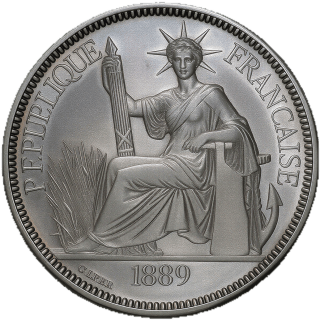 Obverse
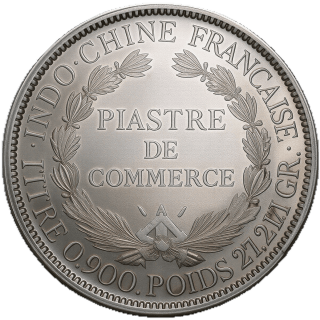 Reverse
Design Features
The obverse of the coin features the inscription "BARRE" and "RÉPUBLIQUE FRANÇAISE," symbolizing French authority over the colony. On the reverse side, the inscriptions "INDO-CHINE FRANÇAISE," "PIASTRE DE COMMERCE," "TITRE 0.900," and "POIDS 27.215 GR" denote the coin's value and specifications. The intricate detailing and elegant lettering on both sides showcase the craftsmanship of the era.
Technical Specifications
This French Indochina 1 piastre coin is composed of 90% silver, weighing 27.21 grams with a diameter of 39.00mm. The high silver content adds to its allure for collectors interested in historical silver coinage.
Collectible Value
Due to its limited mintage and historical significance, the French Indochina 1 piastre coin is highly sought after by collectors. Its rarity, coupled with the intricate design and silver composition, contributes to its collectible value. The market value of these coins can vary based on their condition and historical demand, making them a valuable addition to any numismatic collection.
Conclusion
In conclusion, the French Indochina 1 piastre silver coin from 1885-1895 is a fascinating piece of colonial history with significant collectible value. Its exquisite design, historical relevance, and limited availability make it a prized possession for both numismatists and history enthusiasts alike. By following this structured format, you can create a comprehensive and engaging article that caters to both coin collectors and general readers interested in the intricacies of numismatics.

ScanMyCoin: AI Coin Recognition
Professional AI coin recognition and collection management platform. Identify, learn, and track your coin collection with advanced AI technology and a vast.