

France France Double tournois, 1643-1647
Description:
Double tournois France Double tournois, 1643-1647 coin from France. Design, history & value.
Title: France Double Tournois 1643-1647 - King Louis XIV Copper Coin Description: Explore the history and design of the France Double Tournois coin from the reign of King Louis XIV. Keywords: France, Double Tournois, King Louis XIV, Copper coin, Numismatics, Historical currency Main Content:
Introduction
The France Double Tournois coin, minted between 1643 and 1647 during King Louis XIV's reign, holds a significant place in numismatic history. This copper coin not only served as a medium of exchange but also reflected the artistic and political developments of the era.
Historical Background
Issued by the French monarchy under King Louis XIV, the Double Tournois played a crucial role in the country's monetary system. This period was marked by France's emergence as a dominant European power, and the coinage reflected the grandeur and stability associated with the Sun King's reign.
Coin Images
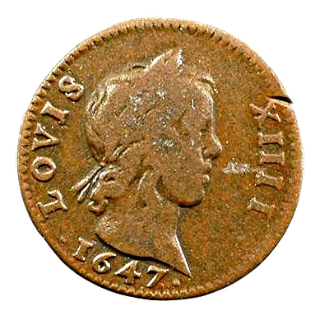 Obverse
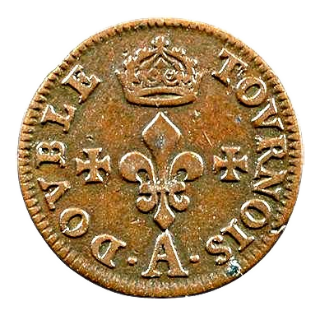 Reverse
Design Features
The obverse of the coin features the inscription "LOVIS XIIII," referring to King Louis XIV, known for his long and influential rule. The reverse bears the legend "DOVBLE TOVRNOIS," indicating its denomination. The simplicity of the design is characteristic of early modern European coinage, emphasizing legibility and practicality.
Technical Specifications
Weighing 3.26g and measuring 20.00mm in diameter, the France Double Tournois coin is made of copper. Its modest size and weight were typical of small denomination coins of the period, facilitating everyday transactions for the populace.
Collectible Value
Due to its historical significance and association with King Louis XIV, the France Double Tournois coin holds value among collectors and enthusiasts of French numismatics. While common in circulated conditions, well-preserved specimens from specific mint years may command higher prices in the numismatic market.
Conclusion
In conclusion, the France Double Tournois coin of 1643-1647 stands as a tangible link to France's past under the reign of King Louis XIV. Its simple yet elegant design, historical context, and collectible value make it a prized addition to any numismatist's collection, offering a glimpse into the economic and cultural landscape of 17th-century France.

ScanMyCoin: AI Coin Recognition
Professional AI coin recognition and collection management platform. Identify, learn, and track your coin collection with advanced AI technology and a vast.