

Finland Finland 5 penniä, 1888-1892
Description:
5 penniä Finland 5 penniä, 1888-1892 coin from Finland. Design, history & value.
Introduction
The Finland 5 penniä coin minted between 1888-1892 during the reign of Emperor Alexander III holds a special place in numismatic history. This copper coin not only represents a specific era but also showcases the artistry and craftsmanship of that time.
Historical Background
Issued by Finland under Emperor Alexander III's rule, this coin was part of the currency system of the Grand Duchy of Finland, then an autonomous part of the Russian Empire. The 5 penniä denomination was a crucial part of everyday transactions in that period, reflecting the economic landscape of the late 19th century.
Coin Images
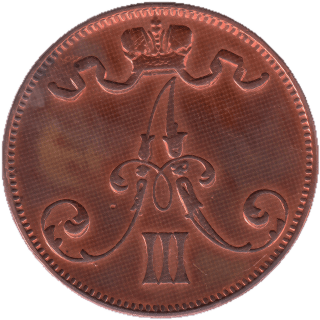 Obverse
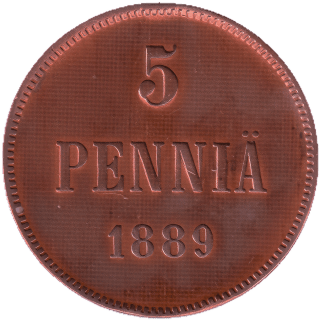 Reverse
Design Features
The obverse of the coin features intricate crowns and a monogram, symbolizing authority and royalty. On the reverse, the denomination "5 PENNIÄ" is inscribed clearly. The designs are simple yet elegant, typical of the coins minted during this era.
Technical Specifications
This coin weighs 6.40g with a diameter of 25.00mm, making it a substantial piece for its denomination. Crafted from copper, it showcases the durability and authenticity of the materials used in coinage during that time.
Collectible Value
As a coin from the late 19th century with a limited mintage and historical significance, the Finland 5 penniä 1888-1892 copper coin is highly sought after by collectors. Its rarity level adds to its collectible value, making it a prized possession for numismatists worldwide.
Conclusion
In conclusion, the Finland 5 penniä coin from 1888-1892 offers a fascinating glimpse into the monetary history of Finland under Emperor Alexander III. Its unique design, historical context, and collectible value make it a treasure for both coin enthusiasts and historians alike. Acquiring this coin not only adds a valuable piece to a collection but also preserves a piece of Finnish and Russian numismatic heritage.

ScanMyCoin: AI Coin Recognition
Professional AI coin recognition and collection management platform. Identify, learn, and track your coin collection with advanced AI technology and a vast.