

Finland Finland 50 penniä, 1921-1940
Posted on: December 2, 2025
keywords: Finland, Finland 50 penniä, 1921-1940, 50 penniä, coin collecting, numismatics, Finland
Description:
50 penniä Finland 50 penniä, 1921-1940 coin from Finland. Design, history & value.
- Introduction: The Finland 50 penniä coin series minted between 1921 and 1940 holds a significant place in Finnish numismatic history. Known for its intricate designs and historical relevance, these coins are prized by collectors worldwide.
- Historical Background: The Republic of Finland issued the 50 penniä coins as part of its currency system between 1918 and 1962. During this period, Finland was establishing its identity as an independent nation, and these coins symbolize the country's economic stability and growth.
- Design Features: The obverse of the coin features a striking lion heraldry design, a symbol of strength and sovereignty often associated with Finland. The reverse side simply states "50 PENNIÄ" in bold lettering, emphasizing the denomination of the coin.
- Technical Specifications:
- Denomination: 50 penniä
- Composition: Copper-Nickel
- Weight: 2.55g
- Diameter: 18.50mm These coins were minted with precision, combining copper and nickel to ensure durability while maintaining their distinct appearance.
- Collectible Value: The Finland 50 penniä coins are highly sought after by collectors due to their historical significance and unique design elements. Depending on the year of minting and the coin's condition, their market value can vary. Rare pieces or those in excellent condition command higher prices, making them valuable additions to any collection.
- Conclusion: In conclusion, the Finland 50 penniä coin series from 1921 to 1940 represents a fascinating era in Finnish numismatics. With their intricate designs, historical importance, and collectible value, these coins continue to captivate both seasoned collectors and enthusiasts alike. Owning a piece of Finnish history in the form of these copper-nickel coins is not only a wise investment but also a connection to the rich heritage of the Republic of Finland.
Coin Images
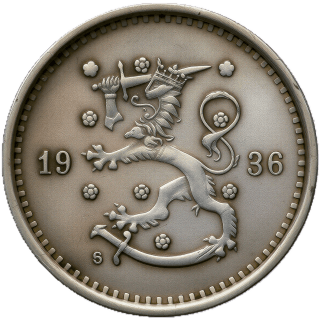 Obverse
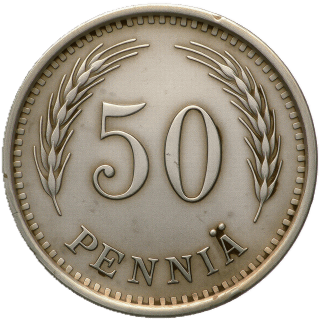 Reverse

ScanMyCoin: AI Coin Recognition
Professional AI coin recognition and collection management platform. Identify, learn, and track your coin collection with advanced AI technology and a vast.