

Eswatini (Swaziland) Eswatini (Swaziland) 5 cents, 1995-2010
Description:
5 cents Eswatini (Swaziland) 5 cents, 1995-2010 coin from Eswatini (Swaziland). Design, history & value.
Title: Eswatini (Swaziland) 5 Cents Copper-Nickel Coin, King Mswati III (1986 - 2022) Description: Explore the Eswatini 5 cents coin featuring King Mswati III's reign from 1995 to 2010. Keywords: Eswatini, Swaziland, 5 cents, copper-nickel coin, King Mswati III, numismatics, collectible, currency Main Content:
Introduction
The Eswatini 5 cents coin, minted between 1995 and 2010 under the authority of Eswatini (Swaziland), holds a unique place in numismatic history. This coin showcases the reign of King Mswati III, the current monarch of Eswatini, formerly known as Swaziland.
Historical Background
Eswatini, a small landlocked country in Southern Africa, has a rich cultural heritage reflected in its coinage. The period from 1995 to 2010 marked a significant era under the reign of King Mswati III, known for his efforts to modernize the nation while preserving its traditions.
Coin Images
 Obverse
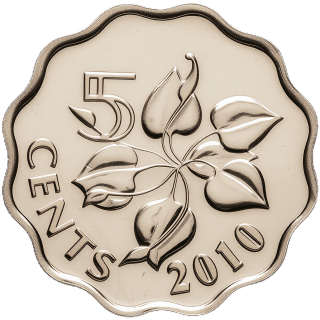 Reverse
Design Features
The obverse of the coin features the inscription "SWAZILAND," highlighting the country's name. On the reverse, the numeral "5" is prominently displayed next to the word "CENTS," denoting the coin's denomination. The design is simple yet elegant, symbolizing the country's economic stability during that period.
Technical Specifications
Made of copper-nickel, the Eswatini 5 cents coin weighs 2.10 grams and has a diameter of 18.50mm. The choice of materials and dimensions reflects the standard specifications for circulating coinage, ensuring its durability in everyday transactions.
Collectible Value
While the Eswatini 5 cents coin may not carry a high monetary value, it holds significant historical and cultural importance for collectors. Due to its limited mintage period and unique design elements, this coin appeals to both numismatists and enthusiasts interested in African coinage.
Conclusion
In conclusion, the Eswatini 5 cents coin from the reign of King Mswati III offers a glimpse into the numismatic heritage of Eswatini. Its intrinsic value lies not only in its monetary denomination but also in the historical narrative it encapsulates. Whether as a collectible piece or a symbol of Eswatini's past, this coin serves as a tangible link to the kingdom's rich numismatic legacy. This article aims to shed light on the significance of the Eswatini 5 cents coin within the broader context of coin collecting and cultural heritage appreciation.

ScanMyCoin: AI Coin Recognition
Professional AI coin recognition and collection management platform. Identify, learn, and track your coin collection with advanced AI technology and a vast.