

Eswatini (Swaziland) Eswatini (Swaziland) 2 cents, 1974-1982
Description:
2 cents Eswatini (Swaziland) 2 cents, 1974-1982 coin from Eswatini (Swaziland). Design, history & value.
Introduction
The Eswatini 2 cents coin, issued between 1974 and 1982 during the reign of King Sobhuza II, holds a special place in the numismatic world. This bronze coin not only serves as a testament to the rich history of Eswatini (formerly Swaziland) but also showcases the artistic and cultural significance of the region.
Historical Background
The Eswatini 2 cents coin was minted by the issuing authority of Eswatini to circulate as legal tender. King Sobhuza II, who ruled from 1968 to 1985, is prominently featured on the coin, symbolizing his enduring legacy and leadership during a crucial period in Eswatini's history.
Coin Images
 Obverse
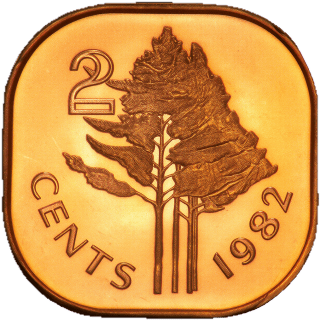 Reverse
Design Features
The obverse of the coin proudly displays the word "SWAZILAND," encapsulating the nation's identity. On the reverse, the numeral "2 CENTS" is boldly inscribed, denoting the coin's denomination. The simplicity of the design is a nod to the elegance and straightforwardness of Eswatini's numismatic tradition.
Technical Specifications
This 2.80g coin boasts a diameter of 18.60mm, making it a compact yet substantial piece of Eswatini's numismatic heritage. Crafted from bronze, the coin's composition adds to its durability and timeless appeal.
Collectible Value
Collectors and numismatists alike prize the Eswatini 2 cents coin for its historical significance and scarcity. Its limited mintage period from 1974 to 1982 increases its desirability among coin enthusiasts. The market value of this coin reflects its rarity and the enduring interest in Eswatini's numismatic treasures.
Conclusion
In conclusion, the Eswatini 2 cents coin from 1974 to 1982 stands as a remarkable numismatic specimen that encapsulates the essence of Eswatini's history and culture. Its association with King Sobhuza II and its distinctive design make it a prized possession for collectors seeking a piece of Eswatini's past. This coin serves as a tangible link to a bygone era and a testament to the enduring allure of numismatics.

ScanMyCoin: AI Coin Recognition
Professional AI coin recognition and collection management platform. Identify, learn, and track your coin collection with advanced AI technology and a vast.