
Estonia Estonia 10 senti, 1931
Posted on: December 2, 2025
keywords: Estonia, Estonia 10 senti, 1931, 10 senti, coin collecting, numismatics, Estonia
Description:
10 senti Estonia 10 senti, 1931 coin from Estonia. Design, history & value.
- Introduction The Estonia 10 senti 1931 coin holds a special place in the hearts of collectors due to its historical significance and unique design elements. Minted during the 1st Republic era of Estonia, this coin symbolizes the country's independence and national pride.
- Historical Background Issued by Estonia in 1931, this coin was part of the country's currency system during a crucial period in its history. The 1st Republic era, also known as the Kroon period, marked a time of autonomy and self-governance for Estonia.
- Design Features The obverse of the coin features the portrait of the creators, with the name "Günther Reindorff" inscribed. On the reverse, the denomination "10 senti" and the phrase "EESTI VABARIIK" (Republic of Estonia) are prominently displayed, emphasizing the nation's identity.
- Technical Specifications This coin is crafted from nickel-brass, weighing 2.50g and measuring 17.75mm in diameter. The choice of materials and precise dimensions showcase the attention to detail in minting this numismatic masterpiece.
- Collectible Value The Estonia 10 senti 1931 coin holds both historical and collecting significance. Its association with Estonia's independence and the limited availability due to its age contribute to its collectible value. Numismatists and collectors value this coin for its rarity and cultural importance.
- Conclusion In conclusion, the Estonia 10 senti 1931 nickel-brass coin stands as a testament to Estonia's journey towards independence and self-determination. Its exquisite design, historical context, and collectible value make it a prized possession for numismatists and a cherished piece of Estonian heritage. Owning this coin is not just owning a piece of currency but a piece of history.
Coin Images
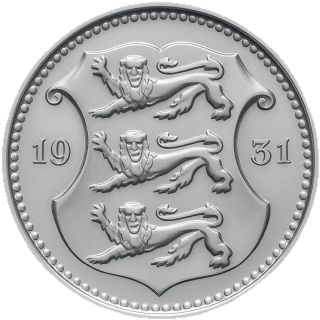 Obverse
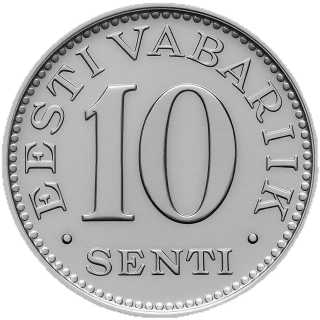 Reverse

ScanMyCoin: AI Coin Recognition
Professional AI coin recognition and collection management platform. Identify, learn, and track your coin collection with advanced AI technology and a vast.