
Erythrai Trihemiobol
Description:
Trihemiobol Trihemiobol coin from Erythrai. Design, history & value.
[SEO TITLE]: Discover the Erythrai Trihemiobol: A Rare Silver Coin from Ancient Greece [SEO DESCRIPTION]: Explore the Erythrai Trihemiobol, a rare silver coin of historical value. [KEYWORDS]: Erythrai Trihemiobol, ancient Greek coin, silver coin, Pegasus coin, Erythrai currency, rare coins, Greek numismatics
Introduction
The Erythrai Trihemiobol is a captivating piece of ancient Greek numismatics, offering a glimpse into the rich history and artistry of Erythrai. This silver coin is not only a testament to the craftsmanship of its time but also a significant relic that highlights the economic and cultural exchanges of ancient civilizations. With its unique design featuring Pegasus and a rosette, the Trihemiobol is a prized piece for collectors and historians alike.
Historical Background
Erythrai, an ancient Greek city located on the coast of Asia Minor, played a pivotal role in the classical world. Known for its strategic location, Erythrai was a hub for trade and culture, contributing significantly to the economic landscape of ancient Greece. The city issued its own currency, with the Trihemiobol being one of the notable denominations. Coins like the Trihemiobol were essential in facilitating trade and commerce, reflecting the city's wealth and influence during the classical era.
Coin Images
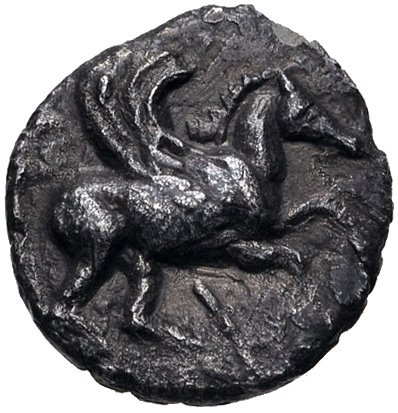 Obverse
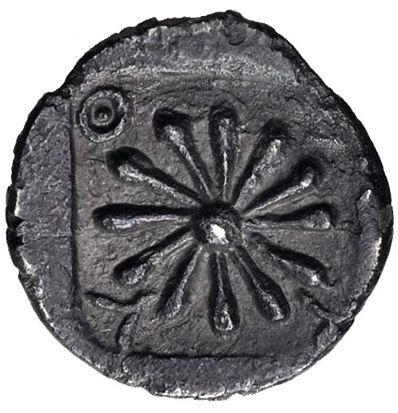 Reverse
Design Features
Obverse Design
The obverse of the Trihemiobol is adorned with the striking image of Pegasus, the mythical winged horse. Pegasus is depicted facing right, exuding a sense of grace and movement. To the left of Pegasus, a pileus—a conical hat associated with freedom and liberty—adds a symbolic touch to the design. This artistic representation not only showcases the mythological significance but also the cultural values of the era.
Reverse Design
On the reverse, the coin features a rosette in the center, surrounded by an incuse square—a common technique used in ancient coinage to create depth and texture. At the top left corner, a circle and a dot are intricately placed, adding to the coin's aesthetic appeal. This design choice reflects the meticulous craftsmanship and attention to detail that defines ancient Greek coinage.
Technical Specifications
The Erythrai Trihemiobol is crafted from silver, a metal highly valued in the ancient world for its luster and durability. The coin weighs approximately 1.11 grams and has a diameter of 11.00 mm, making it a small yet significant piece of currency. These technical specifications not only highlight the coin's portability but also its role in everyday transactions in ancient Erythrai.
Collectible Value
The Erythrai Trihemiobol holds significant value in the numismatic world due to its rarity and historical importance. As a piece of ancient history, it offers collectors a tangible connection to the past. The market value of the Trihemiobol can vary depending on its condition, provenance, and demand among collectors. Coins in excellent condition or those with well-documented histories can command higher prices, reflecting their desirability among enthusiasts.
Conclusion
In conclusion, the Erythrai Trihemiobol is more than just a coin; it is a piece of history that encapsulates the artistry, culture, and economy of ancient Erythrai. For collectors and historians, it represents an opportunity to own a piece of the ancient world, enriched with stories of mythology and commerce. Whether you are a seasoned numismatist or a casual enthusiast, the Trihemiobol offers a fascinating glimpse into the past, making it a valuable addition to any collection.

ScanMyCoin: AI Coin Recognition
Professional AI coin recognition and collection management platform. Identify, learn, and track your coin collection with advanced AI technology and a vast.